Granule Loss On Shingles (5 Common Signs To Act Fast 2026)
8 Minute Read

Posted 6.8.26

Most homeowners do not think much about the small, sand-like particles embedded on the surface of their asphalt shingles. Once they start disappearing. Granule loss on shingles is one of the most commonly overlooked warning signs in residential roofing, and ignoring it can lead to accelerated deterioration, UV damage, and eventually, water intrusion. If your roof is already showing signs of wear, understanding your roofing replacement options before things get worse is one of the smartest moves a homeowner can make. This guide breaks down what to look for and when to act.
Here is what this guide covers:
- What shingle granules do and why they matter
- The most common causes of granule loss
- 5 signs that indicate it is time to act
- When granule loss means repair versus full replacement
- How to protect your roof going forward
What Shingle Granules Actually Do
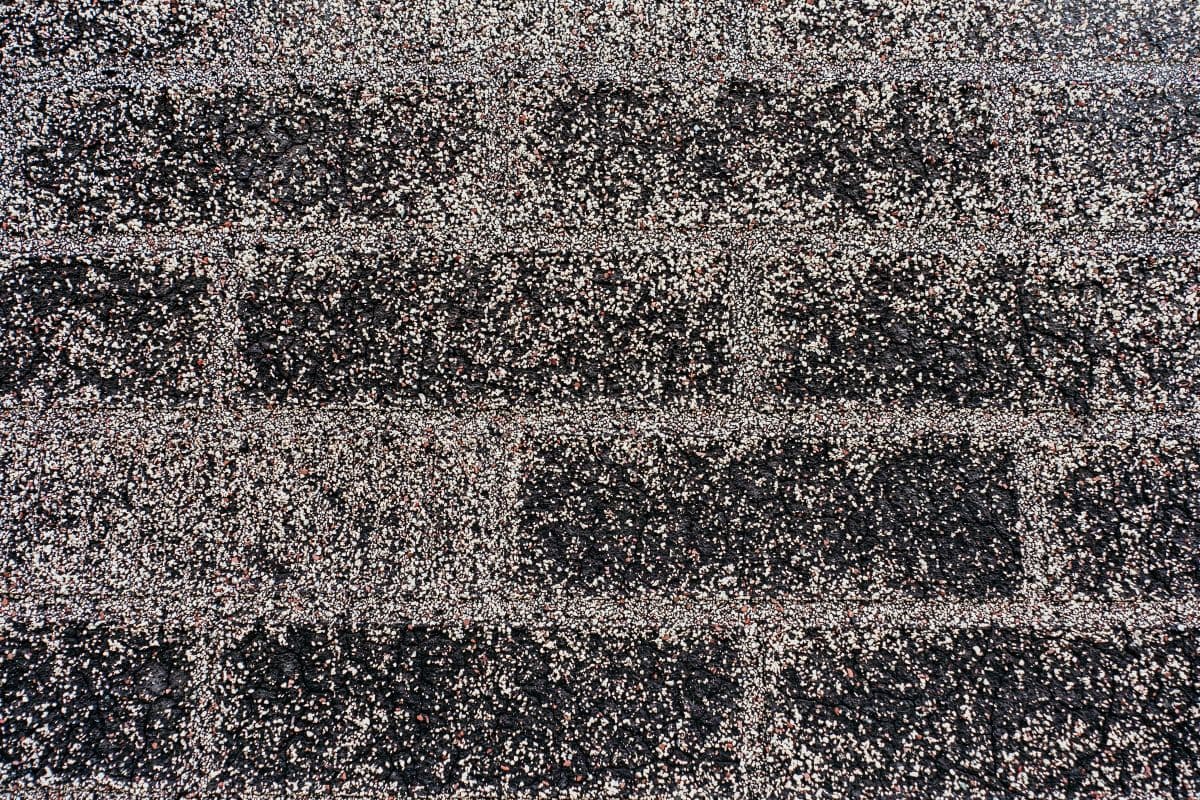
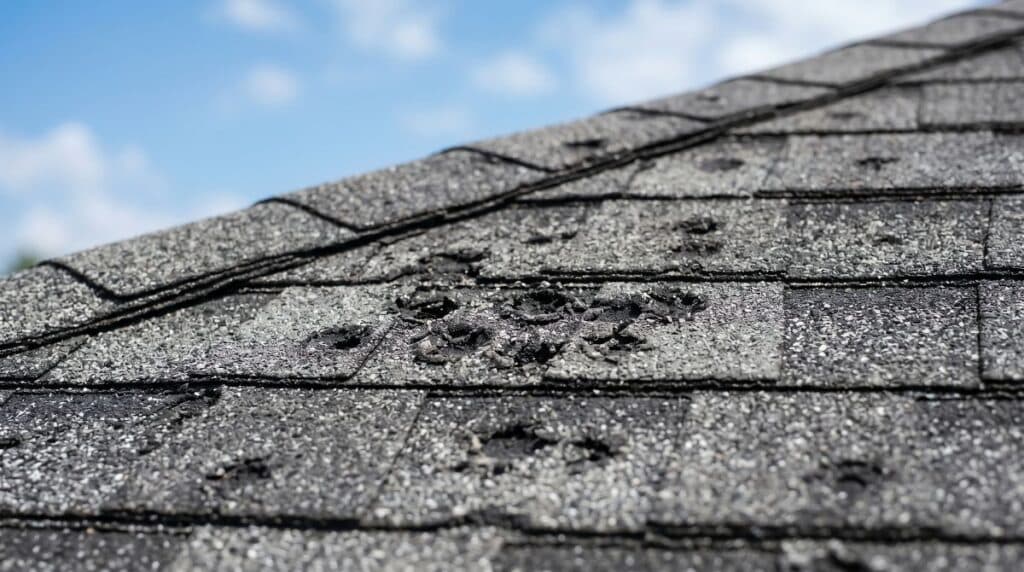
Before getting into the warning signs, it helps to understand the role granules play in your roof’s overall performance. Shingle granules are small mineral particles made from crushed stone, sand, and other materials that are embedded into the surface of asphalt shingles during manufacturing. They are not decorative. They serve several critical functions that directly affect the lifespan of your roof. We’re proud to serve homeowners in Norwalk, CA, and surrounding communities with roofing services and more.
According to roofing industry sources citing the National Roofing Contractors Association, granule loss is among the top five early indicators of roof failure in asphalt shingles across the United States. When granules begin shedding at an accelerated rate, the asphalt layer beneath is exposed to the elements and begins deteriorating much faster than it otherwise would.
- UV protection: Granules shield the asphalt layer from direct sun exposure, which would otherwise cause it to dry out, crack, and break down prematurely.
- Fire resistance: The mineral composition of shingle granules contributes to the Class A fire resistance rating that most quality asphalt shingles carry.
- Water shedding: Granule coverage helps water run off the roof surface cleanly rather than pooling or seeping into the shingle material.
- Algae resistance: Many modern shingles use copper-infused granules that actively prevent algae growth and the black streaking that comes with it.
What Causes Granule Loss on Shingles
Not all granule loss happens for the same reason, and the cause matters when determining your next step. Some shedding is completely normal, particularly on newer roofs that shed excess loose granules during their first few months after installation. Beyond that initial break-in period, accelerated granule loss usually points to one of a few underlying causes.
Natural Aging
As shingles reach the 15 to 20-year mark, the adhesive holding granules to the asphalt surface begins to weaken. This is the most common cause of granule loss in older roofs and is often a sign that replacement planning should begin.
Severe Weather
High winds, hail, and heavy rain can physically knock granules loose in ways that normal weathering does not. After any significant storm event in the Norwalk area, a roof inspection is a smart first step to assess whether weather-related shedding has compromised the protective layer.
Poor Installation
Shingles that were not installed correctly may shed granules earlier than expected. Improper fastening, incorrect nailing patterns, or failure to follow manufacturer specifications can all lead to premature granule loss that would otherwise not occur for years.
Foot Traffic
Walking on a roof without proper precautions can crush or dislodge granules, particularly in warmer weather when asphalt softens. This is a common byproduct of roof inspections or maintenance work done carelessly.
Manufacturing Defects
In rare cases, shingles may leave the factory with weak granule adhesion. If your roof is relatively new and showing significant shedding, a manufacturer warranty claim may be worth exploring with a licensed contractor.
5 Common Signs of Granule Loss To Act Fast On in 2026
These are the warning signs homeowners most commonly encounter, and each one carries a different level of urgency.
1. Granules Collecting in Your Gutters
One of the earliest and most visible signs is finding gritty, sand-like buildup at the base of your downspouts or inside your gutters during cleaning. Some accumulation after storms or on new roofs is expected, but consistent, heavy deposits are a clear signal that your shingles are shedding at an accelerated rate and warrant a professional assessment.
2. Bald Spots or Bare Patches on Shingles
When granules wear away from specific areas, the darker asphalt layer beneath becomes visible, creating what appear to be bare or bald patches on the shingle surface. These exposed areas are no longer providing UV protection or water resistance, and they deteriorate significantly faster than granule-covered sections of the same shingle.
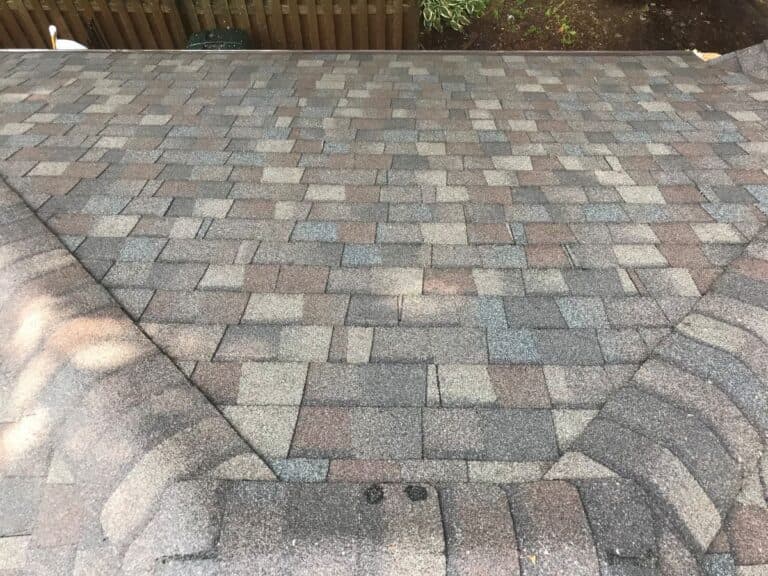
3. Uneven or Patchy Shingle Coloring
Granule loss does not always produce an obvious bare spot right away. Early-stage shedding often shows up as uneven or inconsistent coloring across the roof surface, with some areas appearing lighter or more faded than others. This patchiness is the granule layer thinning unevenly and should be evaluated before it progresses further.
4. Shiny or Smooth-Looking Shingle Surfaces
Asphalt shingles should have a slightly rough, textured appearance due to their granule coating. If sections of your roof appear unusually smooth, reflective, or almost glossy from the ground, the granules in those areas are largely gone. This is particularly easy to spot in morning or late afternoon light when the angle of the sun creates more surface contrast.
5. Interior Water Stains or Leaks
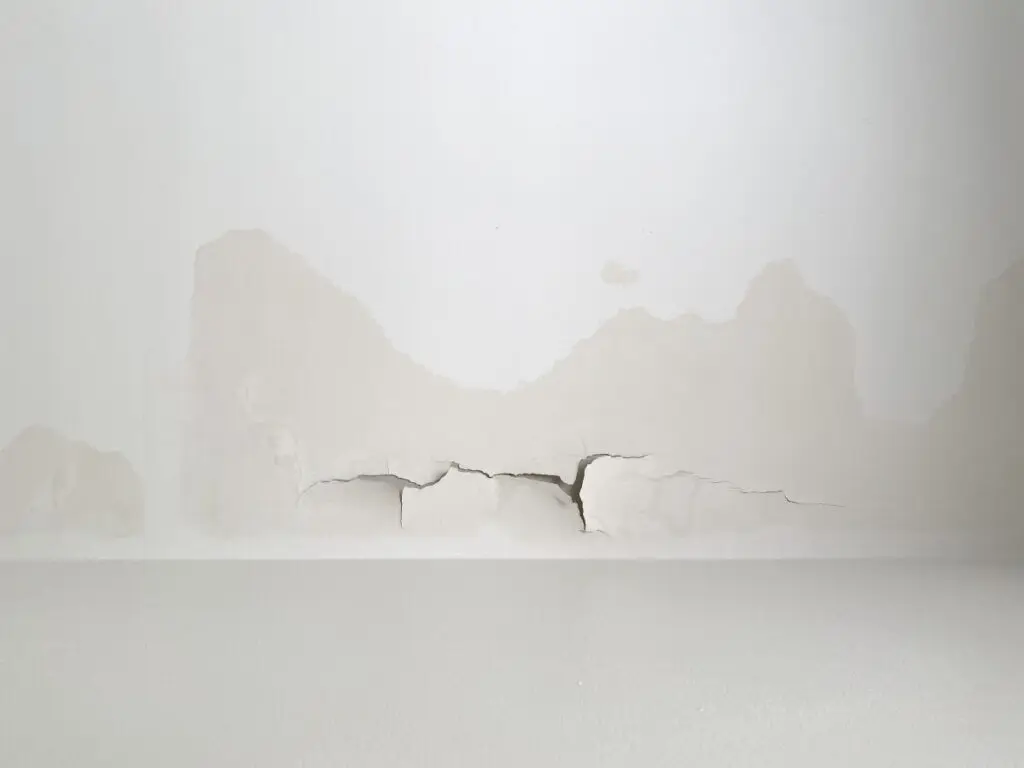
By the time moisture is making its way inside, granule loss has likely progressed to the point where the underlying asphalt is cracked or compromised. Water stains on ceilings or attic insulation after rain are a sign that the roof’s protective barrier has failed in at least one location. At this stage, an inspection is urgent rather than optional.
Repair or Replace: How to Know the Difference
Granule loss itself cannot be reversed. Once granules are gone, they do not grow back. What determines the appropriate response is the extent, pattern, and location of the shedding.
| Severity | Scope | Recommended Action |
| Minor shedding | 1 to 2 shingles, isolated area | Monitor and inspect annually |
| Moderate loss | Small section or single slope | Targeted shingle replacement |
| Widespread loss | Multiple slopes or majority of roof | Full roof replacement planning |
| Exposed asphalt mat | Fiberglass mat visible beneath | Immediate replacement required |
A spot repair makes sense when the damage is limited to a small area, the roof is under 10 years old, and the surrounding shingles are still in solid condition. A full replacement becomes the right answer when granule loss is spread across a significant portion of the roof, when the asphalt layer is already visibly degrading, or when the roof is approaching the end of its expected service life. Partial repairs on a roof with widespread loss tend to delay costs without preventing them.
Common FAQs About Granule Loss on Shingles
Homeowners dealing with granule loss for the first time tend to have a consistent set of questions. Here are straightforward answers to the ones that come up most often.
Is some granule loss normal?
Yes, a degree of shedding is expected throughout the life of any asphalt shingle roof. Newer roofs commonly shed excess granules in the months following installation. The concern is accelerated or widespread loss that goes beyond what normal aging would produce, particularly on roofs under 15 years old or after a specific weather event.
Can I repair granule loss myself?
Adding granules back to a shingle with adhesive is not a solution that roofing professionals recommend. The granules that remain on a damaged shingle are already compromised, and surface application does not restore the protective integrity of the original manufacturing process. The correct fix is replacing the affected shingles with matching material installed by a licensed contractor.
Will my insurance cover granule loss?
It depends on the cause. Granule loss resulting from a storm event, particularly hail, is often covered under homeowner’s insurance policies. Loss attributed to normal aging or wear is generally not. If the shedding on your roof followed a significant storm, documenting the damage and contacting your insurance provider promptly gives you the best chance of a covered claim.
How often should I have my roof inspected for granule loss?
A professional inspection once a year is a reasonable baseline, with additional inspections following any significant storm. Because granule loss often progresses gradually and is not always visible from the ground, a trained eye catching it early is far less expensive than addressing it after water has already found a way in.
C&M Home Revival Knows What to Look For
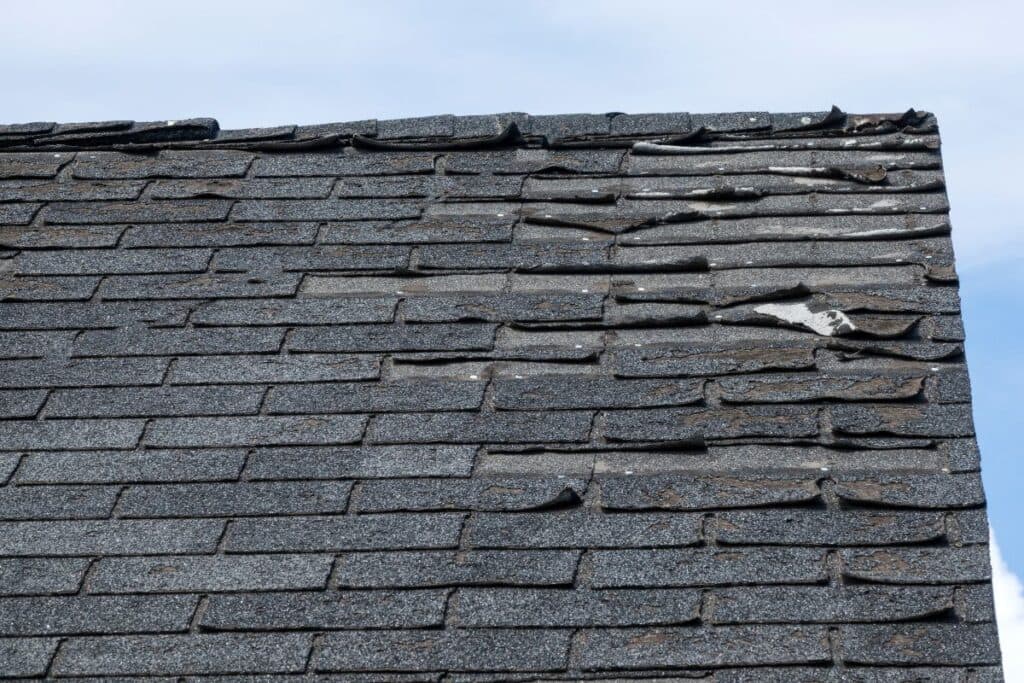
Granule loss is one of those issues that looks minor from the driveway but tells a much bigger story up close. At C&M Home Revival, our free roof inspections are thorough, honest, and delivered without pressure. We identify what is actually happening with your shingles, explain your options clearly, and give you pricing in writing before any work begins. Norwalk homeowners can count on a team that shows up prepared and tells it straight.
Contact our team to schedule your free inspection and find out exactly where your roof stands.
Recent Articles