Bathroom Faucets (3 Styles, Finishes & Trends 2026)
9 Minute Read

Posted 6.22.26

Most homeowners spend more time choosing bathroom tile than they do choosing faucets, yet a faucet is one of the fixtures at your bathroom sink you interact with most throughout the day. Bathroom faucets have evolved in 2026 from purely functional hardware into intentional design elements that shape an entire bathroom. If you are planning a renovation, our bathroom remodeling services can help you make fixture decisions that hold up for years. This guide covers style, finish, and the trends shaping faucet selection for La Palma homeowners.
Here is what this guide covers:
- The three main bathroom faucet styles and where each works best
- The finishes leading bathroom design in 2026 and how to choose between them
- Trending directions in faucet design, technology, and sustainability
- A comparison table of popular finishes by maintenance, pairing, and style fit
- Practical tips for choosing a faucet that works with your overall bathroom design
Why Your Faucet Choice Matters More Than You Think
A faucet is not just plumbing. In a clean, uncluttered bathroom, it becomes one of the most visible design elements in the room. The wrong finish clashes with hardware. The wrong style looks out of proportion with the sink. And because faucets are installed into countertops and walls, they are much harder to change after the fact than decorative accessories, so researching before your purchase matters.
According to the U.S. Environmental Protection Agency, replacing old, inefficient bathroom faucets with WaterSense labeled models can save the average family 700 gallons of water per year, enough water to take 45 showers. That makes faucet selection a decision that affects both your home’s aesthetics and its long-term water efficiency.
We’re proud to serve homeowners in La Palma, CA, and surrounding communities with bathroom remodeling services and more.
3 Bathroom Faucet Styles Worth Knowing in 2026
These three categories cover the majority of faucets available today and each serves a distinct design and functional purpose.
1. Single-Handle Faucets
Single-handle faucets control both hot and cold water with one lever or handle, positioned either to the side of the spout or directly on top. They are the most widely used faucet style in residential bathrooms in 2026 for a straightforward reason: they are simple, intuitive, and clean-looking. A single handle means less hardware on the sink deck, which makes the vanity feel less visually cluttered and easier to clean around.
- Ease of use: One handle controls both temperature and flow, which is particularly convenient during rushed morning routines or for bathrooms used by children and older adults.
- Clean aesthetic: Less hardware on the sink deck reduces visual complexity, which supports the minimalist and warm-modern design directions leading bathroom design in 2026.
- Wide compatibility: Single-handle faucets work with most sink configurations and are available across every finish and price range, making them the most flexible choice for renovations.
2. Widespread Faucets
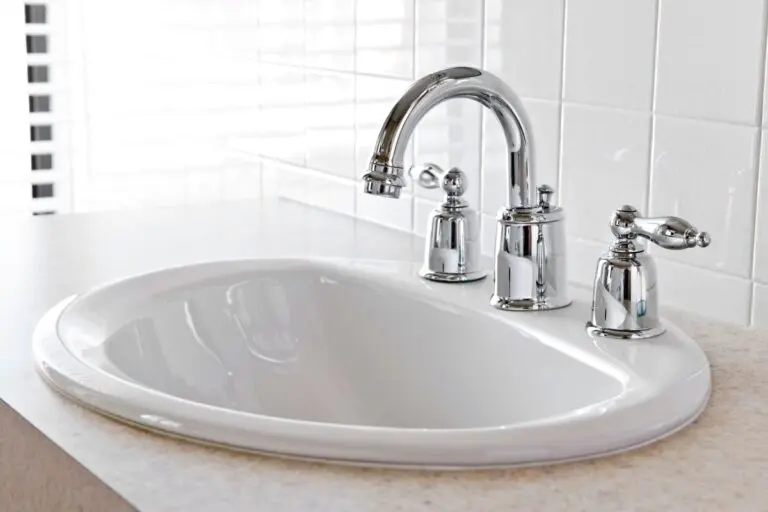
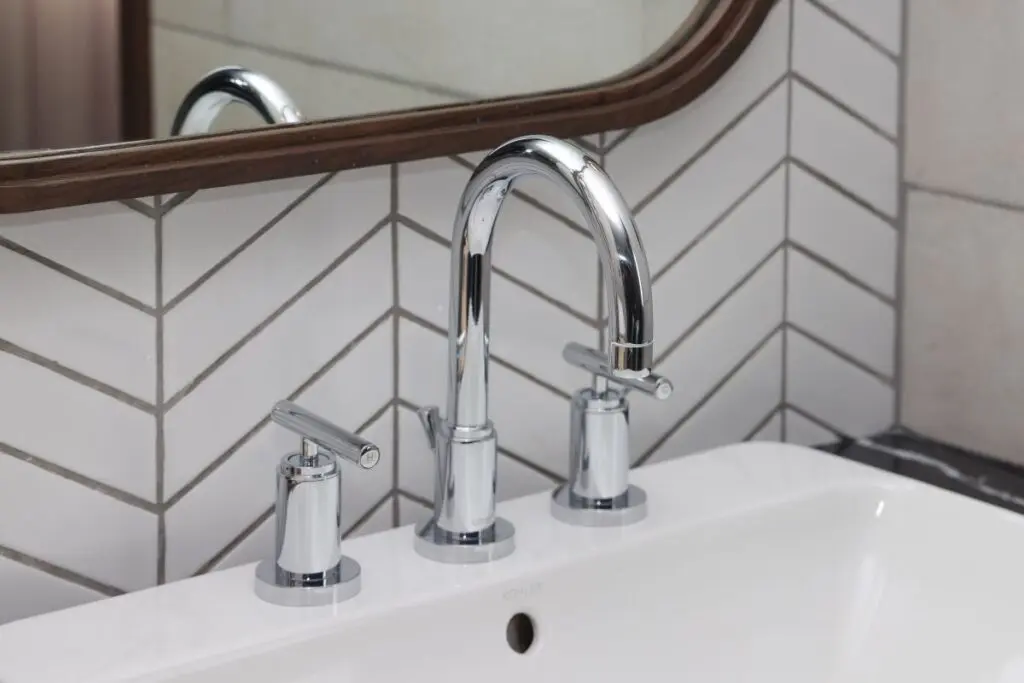
Widespread faucets feature three separate pieces: a spout and two independent handles, each mounted separately into the sink or countertop. The handles are typically placed 8 to 16 inches apart, giving the fixture a substantial, architectural presence that reads as elevated and intentional. This is the faucet style most associated with high-end primary bathrooms and spa-inspired design.
- Design presence: The three-piece configuration gives widespread faucets a weight and formality that single-handle options cannot match, anchoring the vanity as a visual focal point.
- Temperature precision: Separate hot and cold handles allow for more precise water temperature adjustment, which many homeowners prefer in a primary bathroom used daily.
- Luxury pairing: Widespread faucets pair naturally with furniture-style vanities, stone countertops, and the larger sink formats typically found in primary bathroom renovations.
3. Wall-Mounted Faucets
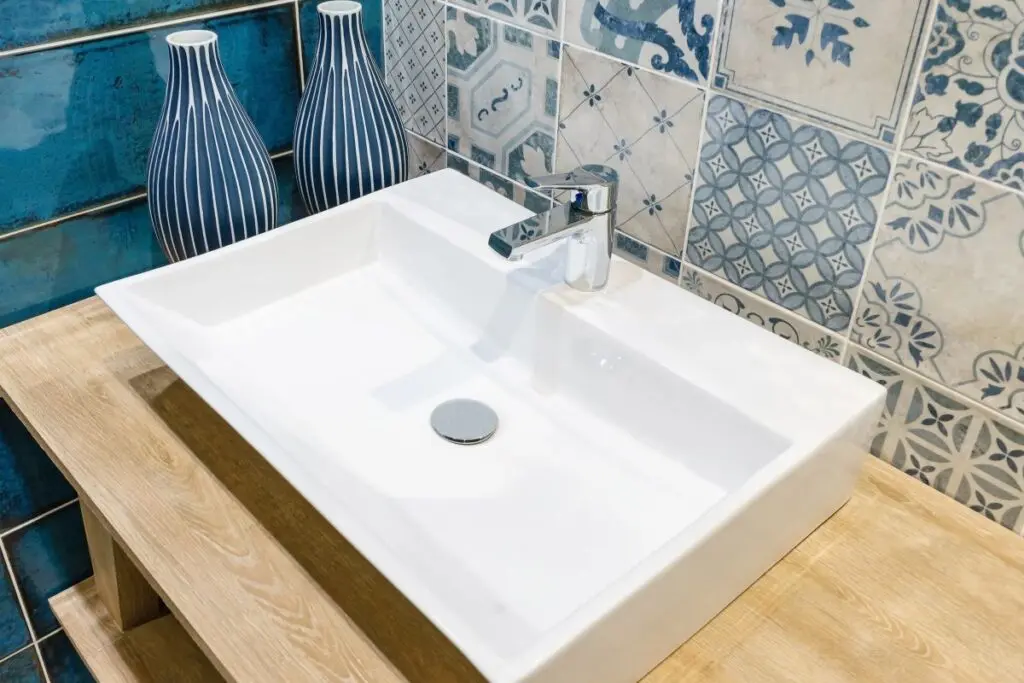
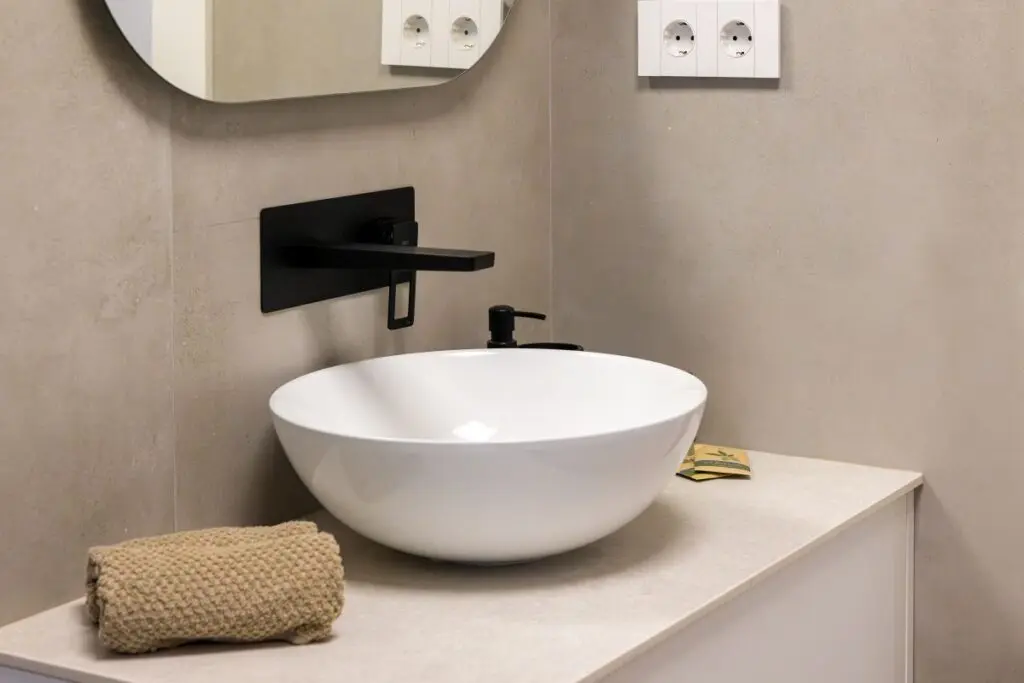
Wall-mounted faucets extend from the wall above the sink rather than from the sink deck or countertop. They have been common in European bathroom design for decades and are now mainstream in American homes, particularly in bathrooms featuring floating vanities or vessel sinks. The primary appeal is a completely clear, easy-to-clean countertop surface that makes the vanity feel more open and intentional.
- Counter clarity: With no faucet hardware on the countertop, the vanity surface is completely unobstructed, which reinforces a clean, architectural look that reads as distinctly elevated.
- Design statement: Wall-mounted faucets make an immediate visual impact and pair particularly well with vessel sinks, floating vanities, and the sculptural fixture designs trending in 2026.
- Installation consideration: Supply lines must come through the wall rather than the sink deck, which means wall-mounted faucets require planning at the rough plumbing stage rather than as an afterthought.
Faucet Finishes Leading Bathroom Design in 2026
Finish selection is where a bathroom comes together or creates unintentional visual tension. In 2026, the range of available finishes has expanded well beyond chrome and brushed nickel, and the final product you choose will define the entire visual tone of the space.
Matte Black
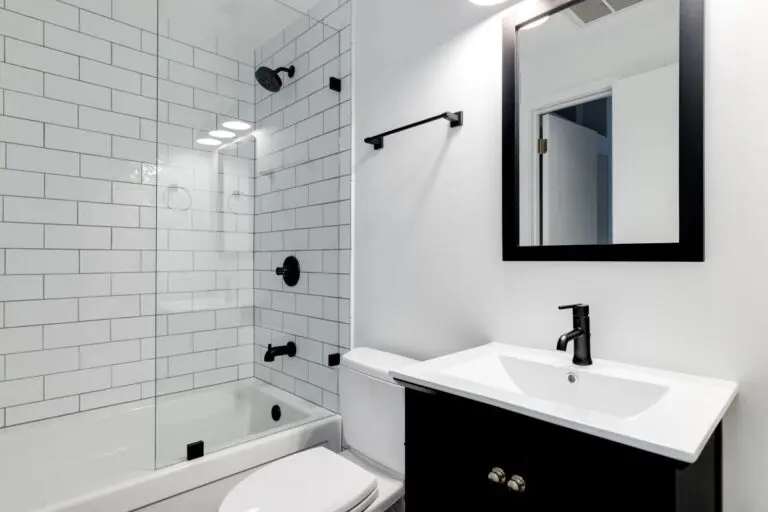
Matte black is the dominant faucet finish of the current design era and shows no signs of slowing in 2026. Unlike polished finishes, it does not reflect surroundings, hides fingerprints, and creates a calm, graphic quality against lighter tile and countertops. Designers now pair it with contrast rather than all-black schemes, using it against white marble and light oak for a focal effect.
Brushed Gold and Champagne Bronze
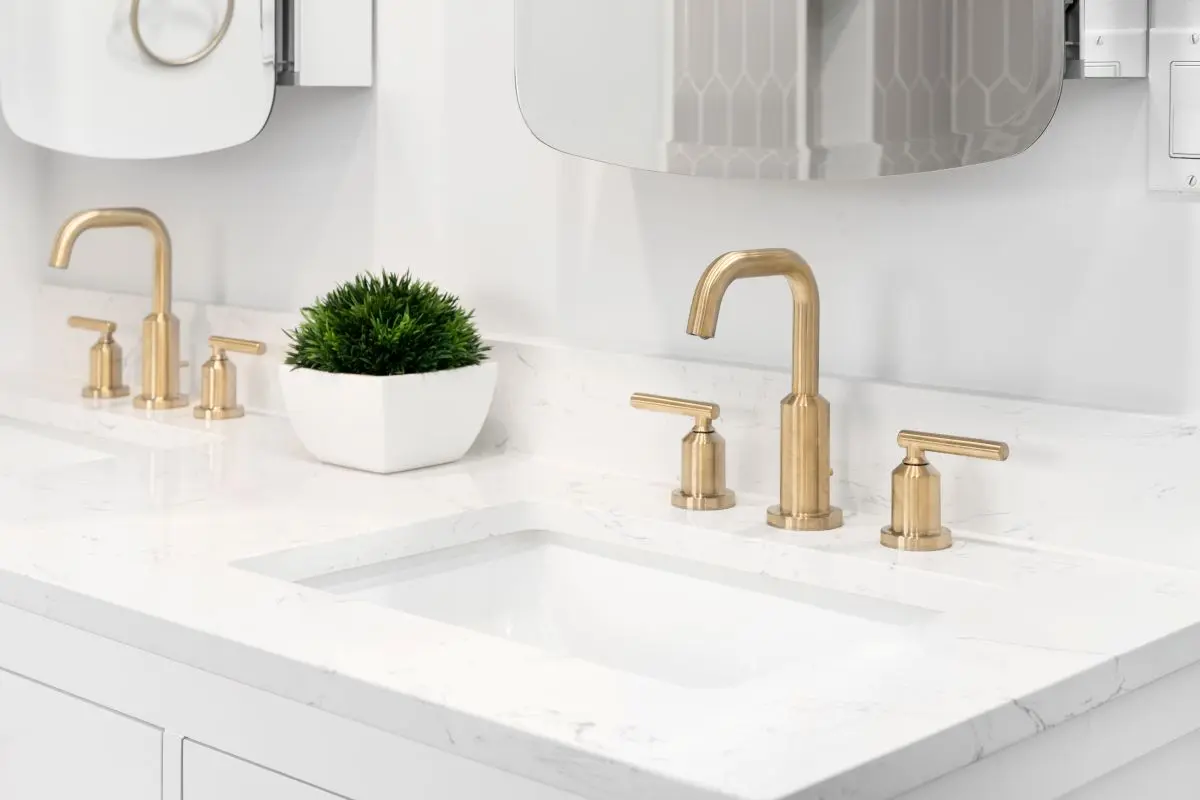
Brushed gold and champagne bronze are having one of their strongest moments in residential design. Discover how their warm metallic quality pairs naturally with the earthy palettes and wood-toned vanities defining 2026 bathrooms, adding charm without the formality of high-polished gold. Unlike polished gold, brushed finishes are fingerprint-resistant and blend into the room rather than demanding attention.
Brushed Nickel
Brushed nickel remains a reliable long-term choice that never reads as outdated. Its soft quality hides smudges better than polished chrome and pairs cleanly with virtually any palette. In 2026 it is finding renewed relevance as a transitional finish that bridges warm and cool tones.
Polished Chrome
Polished chrome remains the most widely installed faucet finish in American homes and a strong choice for transitional and classic bathrooms. Its reflective quality reinforces a crisp, clean look. The trade-off is maintenance: it shows water spots and mineral deposits more readily than matte or brushed finishes.
Oil-Rubbed Bronze
Oil-rubbed bronze is reviving in 2026 in bathrooms leaning toward warm, earthy design directions. Its dark, aged quality adds depth that shinier finishes cannot replicate, and works best when carried through towel bars, cabinet pulls, and shower fixtures.
Faucet Finish Comparison at a Glance
| Finish | Maintenance Level | Best Style Pairing | Trending in 2026 |
| Matte Black | Low | Modern, minimalist, contrast-driven | Strongly yes |
| Brushed Gold | Low to moderate | Warm, earthy, transitional | Strongly yes |
| Brushed Nickel | Low | Transitional, mixed-material | Yes |
| Polished Chrome | Higher | Classic, hotel-inspired | Stable |
| Oil-Rubbed Bronze | Moderate | Rustic, warm, earthy | Reviving |
2026 Bathroom Faucet Trends Worth Following
Several design and technology directions are reshaping how homeowners approach faucet selection in 2026.
Sculptural and Geometric Forms
The most notable shift at the 2026 Kitchen and Bath Industry Show was the move toward expressive, sculptural profiles. Arced spouts, cylindrical bodies, flared silhouettes, and faceted surfaces were prominent across leading brands, designed to function as statement pieces rather than background fixtures.
Touchless and Smart Faucets
Touchless faucets are now mainstream in residential bathrooms. Infrared sensors enable hands-free operation, reducing cross-contamination and unnecessary water running. In La Palma and throughout Southern California, where water conservation matters, touchless faucets with automatic shutoff offer meaningful hygiene and efficiency benefits.
Mixing Metal Finishes Intentionally
The old rule of matching all metals has been replaced by intentional mixing. Two complementary finishes, such as matte black with brushed gold hardware or brushed nickel with oil-rubbed bronze accessories, now reads as sophisticated rather than inconsistent. The key is a clear visual relationship between the two.
WaterSense Efficiency as a Standard
Water efficiency is no longer a feature that requires trade-offs. WaterSense labeled bathroom faucets use a maximum of 1.5 gallons per minute, reducing flow by 30 percent or more from the standard 2.2 gallons per minute without any noticeable performance difference. In California, water efficiency is especially relevant, and WaterSense certified faucets are available across every style and finish category, with easy access at most plumbing and home improvement retailers and no design compromise required.
Common FAQs About Bathroom Faucets
How do I choose a faucet finish that will not go out of style?
Brushed nickel and matte black have both maintained their relevance for over a decade, making them the safest long-term finish choices. Brushed gold is a strong current direction but carries slightly more trend risk. Polished chrome remains universally applicable and never reads as dated. If longevity matters, brushed nickel in a clean, architectural shape is one of the lowest-risk choices available in 2026.
Can I mix faucet finishes with other bathroom hardware?
Yes, intentionally. The approach that works best is choosing two finishes that share either warmth or coolness. Matte black and brushed gold work together because both have depth without brightness. Brushed nickel and polished chrome work because both are cool-toned. Avoid combining three or more finishes without a clear relationship between them, as the result typically looks unplanned rather than designed.
What is the most practical faucet style for a small bathroom?
A single-handle faucet in a wall-mounted or deck-mounted configuration is almost always the right choice for a small bathroom. It minimizes hardware on the sink, reduces visual clutter, and keeps the countertop feeling more open. For very compact vanities, a wall-mounted single-handle option with a shorter spout projection keeps the proportions right.
Do I need a plumber to replace a bathroom faucet?
Replacing a deck-mounted faucet with another deck-mounted faucet is generally within the capability of a confident DIYer, provided the supply lines and drain hardware are compatible. Switching to a wall-mounted configuration, adding a new faucet hole to a countertop, or working with older plumbing connections typically benefits from professional installation to avoid leaks and code issues.
C&M Home Revival Gets the Details Right
Bathroom fixtures seem like small decisions until they are installed and you realize how much they define the room. At C&M Home Revival, we help La Palma homeowners navigate these decisions before any work begins, providing clear recommendations and written pricing that does not change once the project is underway. Free consultations are available, and our team stays reachable throughout the entire project.
Contact our team to schedule your free consultation and get started on a bathroom renovation that gets every detail right.
Recent Articles