Front Door Hardware (Upgrade Style & Security 2026)
9 Minute Read

Posted 7.27.26

The front door is the first thing people see when they approach your home and the last line of defense against unauthorized entry. Most homeowners replace the door itself when it wears out but leave the hardware in place long past its prime, which is the wrong priority. Front door hardware in 2026 has moved well beyond functional necessity into intentional design territory, with finishes, forms, and locking mechanisms that add genuine curb appeal while delivering measurably better security than the standard builder-grade sets most homes were originally fitted with. If a full entry upgrade is on your radar, our front door installation work gives Redondo Beach homeowners a complete starting point. This guide covers what is worth knowing about hardware before you buy anything.
Here is what this guide covers:
- The hardware components that define front door style and security
- The 2026 finish and style directions worth following
- Security hardware standards and what they actually mean in practice
- Smart lock integration and what to look for in 2026
- How to coordinate hardware across the full entry
Why Front Door Hardware Deserves More Attention
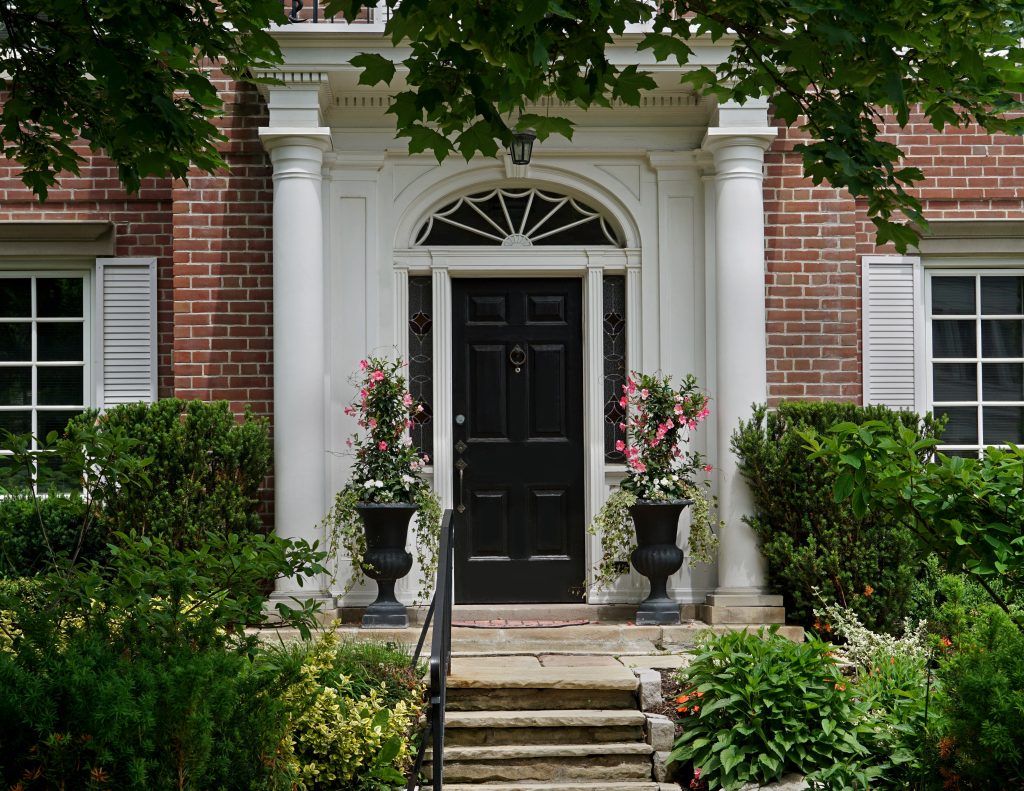
Hardware is the jewelry of the front door. The right set elevates an ordinary entry into something that reads as deliberate and high-quality. The wrong set undercuts even a beautiful door. Beyond aesthetics, the locking hardware on a front door determines how resistant the entry is to forced entry, and most homeowners significantly underestimate how much variation exists in security quality between product grades.
According to BGW Doors’ 2026 entry door security analysis, multi-point locking systems, which secure the door at several points along the frame rather than a single central deadbolt, are becoming the standard for premium entry doors in 2026, significantly reducing the risk of forced entry by distributing force across multiple locking points rather than concentrating it at one.
We’re proud to serve homeowners in Redondo Beach, CA, and surrounding communities with windows and doors services and more.
The Key Hardware Components on a Front Door
Understanding what each hardware piece does makes the selection process more straightforward. A front door system includes more components than most homeowners initially realize, and each one contributes to both the visual outcome and the security performance.
- Handleset or lockset: The primary grip and locking mechanism; available as knob, lever, or handleset configurations; the most visible hardware piece on the door
- Deadbolt: The primary security lock, separate from the handleset; single-cylinder deadbolts are operated by key from outside and thumb turn from inside; Grade 1 ANSI rating is the highest standard for residential use
- Door knocker: A finishing detail that anchors the visual center of the door; available in every major finish and in styles from traditional ring knockers to architectural rectangular forms
- House numbers: The most functional exterior hardware element and one of the most underestimated design details; current preference in 2026 is for large-format, individual numbers in a matching or complementary finish
- Door viewer or smart doorbell: Replaces or supplements a traditional peephole; video doorbells with motion detection and smartphone integration are the 2026 standard for new entry hardware installations
- Door hinges: Visible when the door is open and from the exterior on many doors; matching the hinge finish to the handleset finish creates the coordinated look that defines a well-executed entry
4 Finish Directions Leading Front Door Hardware in 2026
Finish selection is where the front door hardware sets the tone for the entire exterior. In 2026, the direction is clear: warmer, more textured finishes have replaced the cool chrome and brushed nickel that defined the previous decade.
1. Matte Black
Matte black is the dominant finish in residential front door hardware in 2026. Its appeal is both practical and aesthetic. It conceals fingerprints and weather exposure better than polished finishes, creates a strong visual contrast against light-colored door paint, and reads as current and deliberate regardless of the architectural style of the home. Matte black hardware on a bold-colored door, whether navy, forest green, or deep red, is one of the most requested exterior combinations of the year.
- Best pairing: Light or medium-toned door colors where the black hardware creates strong contrast; also works with white and off-white doors
- Maintenance: Low; matte finish hides fingerprints and surface wear far more effectively than polished alternatives
- Style range: Works across modern, transitional, craftsman, and farmhouse architectural directions without looking out of place
2. Satin Brass and Brushed Gold
Warm brass finishes are experiencing their strongest residential moment in decades. Satin brass and brushed gold in 2026 are not the shiny, lacquered brass of the 1980s. They are softer, more matte, and more intentional, with a quality that complements natural wood doors, warm paint tones, and the earthy exterior palettes that have become the dominant direction in 2026 home design.
- Best pairing: Natural wood doors, warm neutral paint tones, and exterior color schemes with earthy or terracotta tones
- Maintenance: Moderate; satin finish is more forgiving than high-polish brass but benefits from periodic cleaning
- Style range: Best suited to traditional, transitional, craftsman, and Mediterranean architectural styles; less compatible with stark modern exteriors
3. Oil-Rubbed Bronze
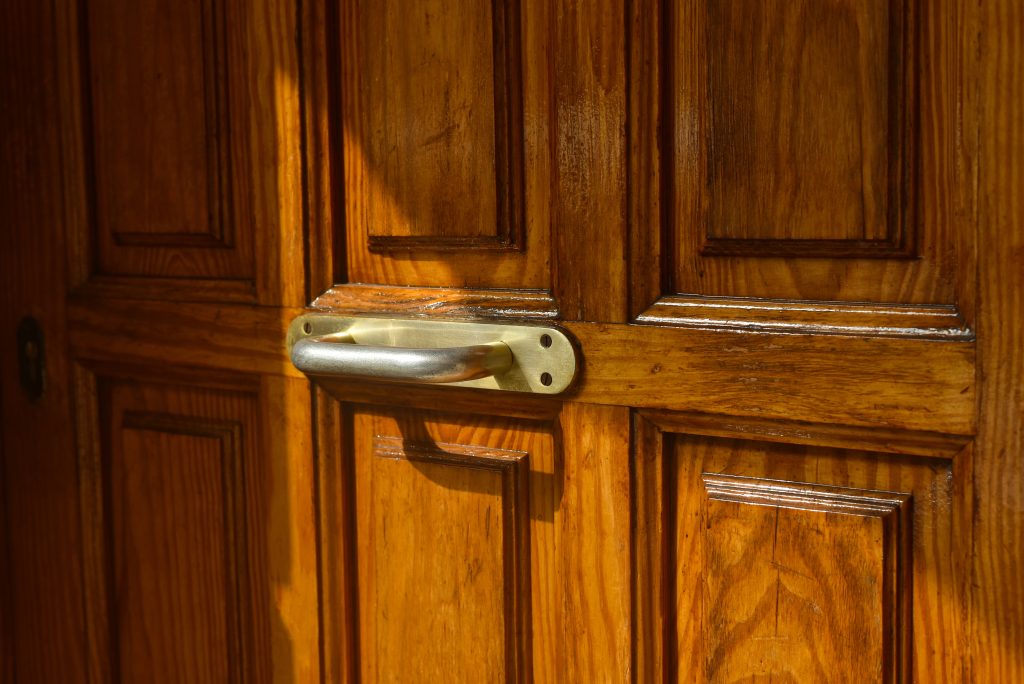
Oil-rubbed bronze has maintained consistent relevance in exterior hardware across multiple design cycles, and in 2026 it is experiencing a genuine revival driven by the broader return to warm, earthy exterior palettes. Its dark, slightly aged quality adds depth and character that neither matte black nor brass can replicate, and it pairs exceptionally well with brick, stone, and warm stucco exteriors common throughout Southern California.
- Best pairing: Brick, stone, and warm stucco exteriors; door colors in warm brown, terracotta, red, and hunter green
- Maintenance: Low to moderate; the living finish continues to develop character over time rather than showing wear
- Style range: Traditional, craftsman, Mediterranean, and Spanish Colonial architectural styles
4. Textured and Mixed-Metal Finishes
One of the clearest hardware trends of 2026 is the move toward textured surface treatments and intentionally mixed finishes. Knurled, hammered, and ribbed handle textures add a tactile quality that smooth hardware cannot deliver, and they read as handcrafted and premium at close range. Mixed-metal entries, pairing warm brass hardware with matte black house numbers or vice versa, have replaced the previous expectation that all exterior hardware must match exactly.
- Textured options: Knurled grip sections, hammered face plates, ribbed lever bodies; most widely available in matte black, satin brass, and satin nickel
- Mixed-metal approach: Two finishes with a clear visual relationship; warm-toned hardware with dark accessories or vice versa; avoid three or more finishes, which looks unplanned
- Style range: Particularly well-suited to modern, transitional, and high-end traditional entries where hardware detail signals quality
Security Hardware Standards Worth Understanding
Not all deadbolts and locksets perform equally under forced entry. The American National Standards Institute grades residential door hardware on a scale from Grade 3 (lowest) to Grade 1 (highest) based on cycle testing, strength, and security performance. Most builder-grade hardware shipped with new construction homes is Grade 3. Upgrading to Grade 1 hardware on the primary entry door is one of the most cost-effective security improvements available for any home.
- ANSI Grade 1: Highest residential rating; withstands 250,000 operational cycles and significant forced entry resistance; the correct standard for primary entry doors
- ANSI Grade 2: Mid-range rating; appropriate for secondary entry doors and interior applications
- Multi-point locks: Secure the door at three or more points along the frame simultaneously; dramatically more resistant to kick-in and forced entry than a single deadbolt; becoming the standard on premium entry doors in 2026
- Anti-pick and anti-bump cylinders: Cylinder-level security features that prevent the most common lock bypass techniques; worth specifying when upgrading to Grade 1 hardware
Common FAQs About Front Door Hardware
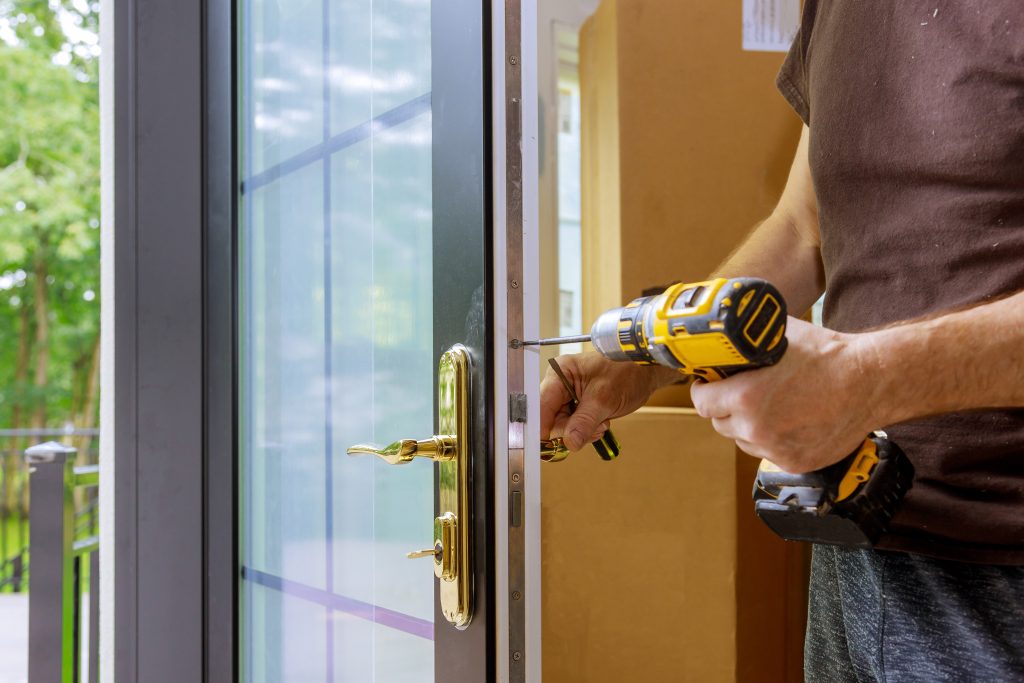
These are the questions homeowners most commonly have when upgrading or replacing front door hardware.
Can I replace front door hardware myself?
Replacing hardware on the same bore pattern, meaning the new handleset fits the existing holes in the door, is a straightforward DIY task requiring basic hand tools. Adding a new bore hole for a deadbolt or changing a door prep entirely requires drilling that is best left to a professional to ensure proper placement and alignment. Smart lock installation is also DIY-accessible in most cases as long as the existing door prep is compatible.
How much does front door hardware cost?
Entry-level handlesets with a matching deadbolt run $80 to $200. Mid-range sets in quality finishes with Grade 2 hardware run $200 to $500. Premium Grade 1 sets with multi-point locking, smart lock integration, and premium finishes run $500 to $1,500 or more. Coordinating knocker, house numbers, and hinge hardware adds $50 to $300 depending on the finish and brand.
What smart lock features are most useful in 2026?
Keypad entry with a backup physical key is the baseline useful feature. Auto-lock, low-battery alerts, and tamper detection add meaningful daily convenience and security. Smart home integration with Google Home, Amazon Alexa, or Apple HomeKit is worth prioritizing if the home already uses one of those ecosystems. Video doorbell integration with the lock is increasingly common and creates a more complete entry security system than separate devices.
How do I coordinate front door hardware with the rest of the exterior?
The primary hardware finish on the door should either match or deliberately contrast the light fixtures flanking the entry. Two finishes in a clear relationship, such as matte black hardware with brushed gold light fixtures, reads as intentional. Matching all exterior metals to the same finish is the safest approach and always works. House numbers and door knockers should align with one of the two finishes rather than introducing a third.
C&M Home Revival Handles the Full Entry Upgrade
A hardware upgrade transforms how a front entry looks. A full entry replacement transforms how it performs. At C&M Home Revival, we help Redondo Beach homeowners evaluate what their entry actually needs, whether that is a hardware refresh or a complete door and frame replacement, with written estimates and no pressure before any commitment is made.
Request a free entry door estimate and find out what the right upgrade looks like for your home.