Missing Shingles (5 Quick Fixes Before Leaks Arrive)
9 Minute Read

Posted 7.7.26

A missing shingle might look like a minor cosmetic issue from the driveway, but the damage it allows can escalate quickly once rain arrives. Missing shingles leave the underlayment and roof decking exposed to moisture, and water does not need a large opening to find its way inside. Knowing your roof replacement and repair options before damage compounds is one of the most valuable things a Redondo Beach homeowner can do. This guide covers five practical fixes and what to know before you act.
Here is what this guide covers:
- Why missing shingles are more urgent than they appear
- What causes shingles to come loose or blow off
- Five quick fixes ranked from temporary to permanent
- When to repair versus when to consider a full replacement
- What a professional inspection looks for that homeowners miss
Why Missing Shingles Cannot Wait

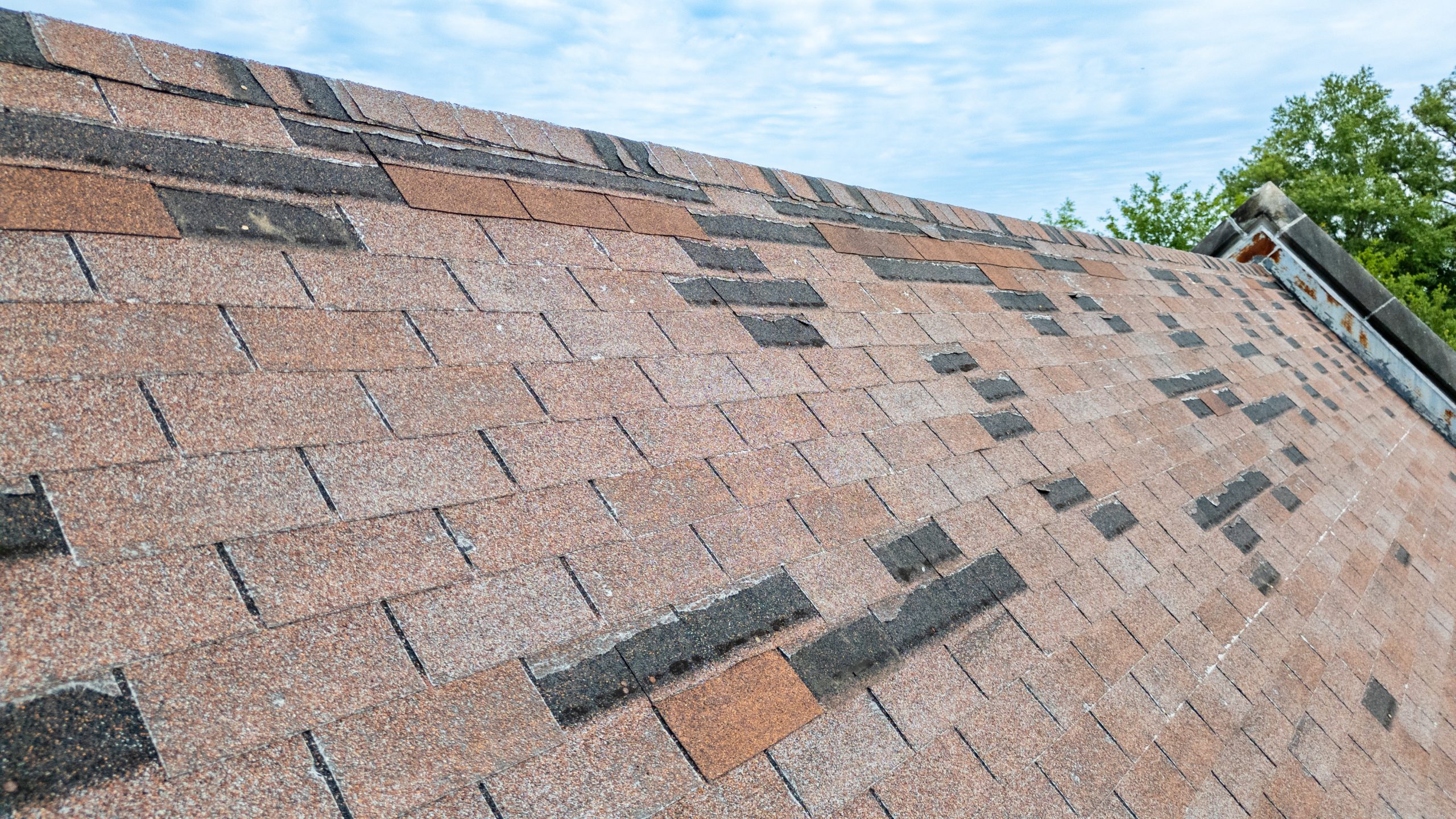
Each shingle on your roof works as part of an overlapping system designed to channel water down and off the roof surface. When one shingle is gone, water no longer has a complete path to follow. It pools at the exposed edge, works its way under surrounding shingles, and eventually penetrates the underlayment. From there it reaches the roof decking, and if it gets that far, mold can begin forming within 24 to 48 hours of sustained moisture exposure.
The NRCA recommends professional roof inspections at least twice a year, and the urgency increases significantly after any wind event. According to the NRCA, asphalt shingles hold an overwhelming share of the U.S. steep-slope roofing market, which means most homeowners dealing with missing shingles are working with asphalt material that follows predictable failure patterns when left exposed.
We’re proud to serve homeowners in Redondo Beach, CA, and surrounding communities with roofing services and more.
Missing shingles near valleys, eaves, or ridges are particularly urgent because these are the areas where water naturally concentrates as it runs off the roof. A gap in these locations is almost guaranteed to result in pooling and eventual leakage if not addressed promptly.
Common Causes of Missing Shingles
Understanding what caused the storm damage or wear helps determine the right fix and whether more shingles are at risk. Knowing how to notice missing shingles early is just as important as knowing how to fix them.
- Wind damage: High winds break the adhesive seal on aging or improperly nailed shingles. Edge, ridge, and corner shingles face two to three times the wind load of field shingles.
- Age and brittleness: Older shingles lose flexibility and crack more easily during temperature swings than newer material.
- Improper installation: Shingles nailed too high or with too few fasteners can lose up to 50 percent of their wind resistance.
- Ice damming: In cooler climates, ice dams at the eaves force water back under shingles and loosen them over time.
- Tree impact: Overhanging branches scrape shingles in wind and can physically knock them loose during storms.
5 Quick Fixes for Missing Shingles Before Leaks Arrive
These five approaches range from immediate temporary protection to permanent licensed repair. Work through them in order of urgency based on your situation.
1. Cover the Exposed Area With a Tarp
If rain is in the forecast and professional repair cannot happen immediately, a properly secured tarp is the fastest way to prevent water from reaching the exposed decking. Use a thick, UV-resistant tarp large enough to extend beyond the missing shingle area and cover the ridge if possible. Secure it with wood strips and screws rather than weights, which shift in wind. This is strictly a temporary measure and should be followed by professional repair as soon as conditions allow.
- Tarp sizing: Extend at least two feet beyond the missing area on all sides so water cannot run beneath the edges during heavy rain.
- Secure attachment: Nail wood strips along the tarp edges rather than relying on weights, which shift in coastal winds.
- Time limit: A tarp is a 24 to 72 hour solution. UV exposure degrades the material quickly and an unsecured tarp can cause additional shingle damage.
2. Apply Roofing Cement to Cracked or Partially Lifted Shingles
If the shingle is cracked or lifting rather than fully gone, roofing cement can seal the damage without requiring a full replacement. Apply a thick bead of roofing sealant under the crack or lifted edge, press the shingle firmly down against the surface, then apply another layer over the top and smooth it with a putty knife. Sprinkling granules from the gutter over the wet cement helps blend the repair visually.
- Best application: This fix works for minor cracks that have not yet caused a leak. Shingles that are brittle, crumbling, or more than partially detached should be replaced rather than sealed.
- Sealant choice: Use a roofing-grade polyurethane or asphalt-based sealant rather than general-purpose caulk, which is not designed for the thermal expansion and UV exposure that roof surfaces experience.
- Granule blending: Pressing loose granules into the wet sealant reduces the visual contrast of the repair and helps the shingle continue to shed water in the same pattern as the surrounding area.
3. Replace Individual Shingles With Matching Material
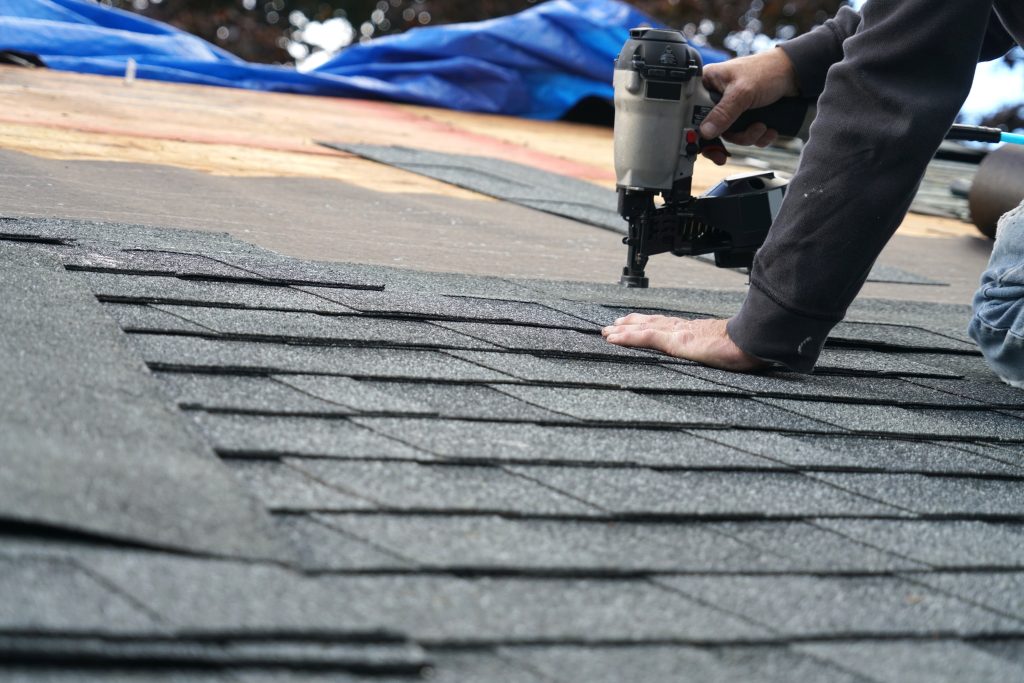
To replace missing shingles correctly, a direct replacement with matching material is the most complete fix for one to three gaps on an accessible section of roof. Damaged shingles that are partially attached should be fully removed before the new shingle goes in. The replacement must match the existing product in size, weight, and profile, since mismatched materials create weak points that fail again in the next wind event.
- Material matching: Bring a sample of the existing shingle to the supplier or contact the original installer to identify the product. Brand, line, and color all matter for proper seal strip alignment between shingles.
- Nailing pattern: Replacement shingles must be secured with roofing nails at the correct nail line per manufacturer specifications. Nailing too high or too low compromises wind resistance and may void the warranty on adjacent shingles.
- Safety consideration: Roof work carries real risk on steeper pitches and second-story applications. For roofs steeper than 6:12, or for any homeowner without roofing experience, professional installation is the correct choice. The safety and warranty protection a licensed contractor provides far outweighs the material cost of a DIY repair.
4. Schedule a Professional Inspection After Any Storm Event
Individual shingle replacement addresses the visible damage, but wind events that displace shingles often affect more of the roof than is immediately visible from the ground. A professional inspection after a significant storm covers flashing condition, underlayment integrity, nail pop locations, and shingle adhesion across the entire roof surface, not just the obvious missing areas.
- Beyond visible damage: Improper repairs that miss adjacent weak spots lead to leaks from areas that were never addressed.
- Documentation for insurance: A professional inspection report with photos provides the documentation insurers require to process a wind or hail claim.
- Flashing check: Storms that displace shingles often loosen flashing at valleys, chimney bases, and vent pipes, a leading cause of leaks frequently missed in homeowner assessments.
5. Evaluate Whether Repair or Replacement Is the Right Answer
Missing shingles on a relatively new roof with isolated damage clearly call for repair. The calculation changes when the roof is older, when multiple shingles are missing across different sections, or when the repair reveals soft or rotted decking beneath. Pouring money into repairs on a roof that is approaching the end of its service life often delays an inevitable replacement while adding to the total cost.
- Roof age threshold: Asphalt shingles typically perform well for 20 to 30 years. If the roof is past 20 years and shingles are missing from multiple locations, requesting a full roof replacement quote alongside any repair estimate gives you the complete picture.
- Decking condition: If the decking beneath a missing shingle feels soft, spongy, or shows visible rot or staining, the damage has already progressed beyond surface repair. Replacement of the affected decking section is required before new shingles can be installed.
- Cost comparison: Professional repair averages $200 to $350 for three to ten shingles. When roof replacement is the smarter long-term call, getting both estimates side by side makes the decision straightforward.
Repair vs. Replacement Decision Guide
| Situation | Recommended Action |
| 1 to 3 shingles missing, roof under 15 years old | Spot repair with matching shingles |
| Multiple missing shingles after a storm | Professional inspection before repair |
| Soft or rotted decking beneath missing shingles | Decking repair plus shingle replacement |
| Roof 20 or more years old, recurring shingle loss | Full replacement assessment |
| Active interior leak with missing shingles | Immediate tarp, then professional repair |
Common FAQs About Missing Shingles
These are the questions homeowners most commonly have after spotting a bare patch on their roof.
How quickly do missing shingles lead to a leak?
It depends on rainfall, shingle location, and underlayment condition. A single heavy rain can drive water into the attic, while in other cases the underlayment holds for weeks. The variable is not worth testing. Address missing shingles before the next rain regardless of how small the gap appears.
Will homeowner’s insurance cover missing shingles?
Storm-related shingle loss from wind or hail is typically covered. Loss attributed to age or lack of maintenance generally is not. Document damage with photos, note the date of any storm events, and contact your insurer before scheduling repairs.
Can I match replacement shingles to my existing roof?
Usually, though it depends on roof age and whether the product is still in production. On older roofs, a perfect color match may not be possible because existing shingles have weathered. In those cases, the functional repair matters more than visual uniformity.
How do I spot missing shingles from the ground?
Scan the roofline with binoculars from multiple angles. Look for bare patches, darker exposed areas, or interrupted shingle patterns. Interior signs include ceiling stains, attic moisture after rain, and musty odors in upper rooms.
C&M Home Revival Is Ready Before the Next Storm
Waiting to address missing shingles is one of the most common and costly mistakes homeowners make. At C&M Home Revival, we help Redondo Beach homeowners get ahead of the problem with next-day free inspections, honest assessments of what the roof actually needs, and written pricing before any work begins. Whether the right answer is a targeted repair or a full replacement, we give you the full picture.
Contact our team to schedule your free inspection and protect your home before the next rain arrives.
Recent Articles