Asphalt Roof Repair (8 Fixes To Do Before It Spreads)
9 Minute Read

Posted 9.26.26

Small roofing problems do not stay small for long. What starts as a single lifted shingle or a minor flashing gap becomes a leak that reaches the decking, then the insulation, then the interior ceiling. Asphalt roof repair is most effective and least expensive when it happens before damage has a chance to compound. Knowing what a proper repair involves and what can realistically wait versus what cannot is where understanding your full roofing options becomes genuinely useful. This guide gives La Palma homeowners a practical breakdown of eight repairs worth doing before the next rain arrives.
Here is what this guide covers:
- Why catching asphalt roof problems early matters more than most homeowners realize
- The eight most common asphalt roof repairs and what each involves
- How to recognize which repairs are urgent versus which can wait
- A comparison of repair types by cost range and urgency
- When repair stops making sense and replacement becomes the right call
Why Asphalt Roof Damage Spreads Faster Than Expected

An asphalt shingle roof is the dominant residential roofing system in the United States by a significant margin. According to the Home Innovation Research Labs and NRCA Roofing Market Index Report, asphalt shingles are used in more than 80 percent of home roofing and re-roofing projects nationwide, which means most homeowners are dealing with this material when repairs arise. What makes asphalt shingles effective is also what makes their failure consequential: they form an overlapping system where each component depends on its neighbors to shed water properly. When one element fails, the gap in that system allows moisture to work inward.
We’re proud to serve homeowners in La Palma, CA, and surrounding communities with roofing services and more.
Minor repairs typically run $150 to $400 when addressed early. Waiting until damage spreads can push costs to $1,000 or more, often shifting the conversation toward a new roof replacement. Acting before issues escalate is almost always the financially sensible choice.
8 Asphalt Roof Repairs To Do Before It Spreads
Start with what you can see and work inward. The earlier each issue is caught, the less it costs and the more straightforward the fix.
1. Replace Missing or Damaged Shingles
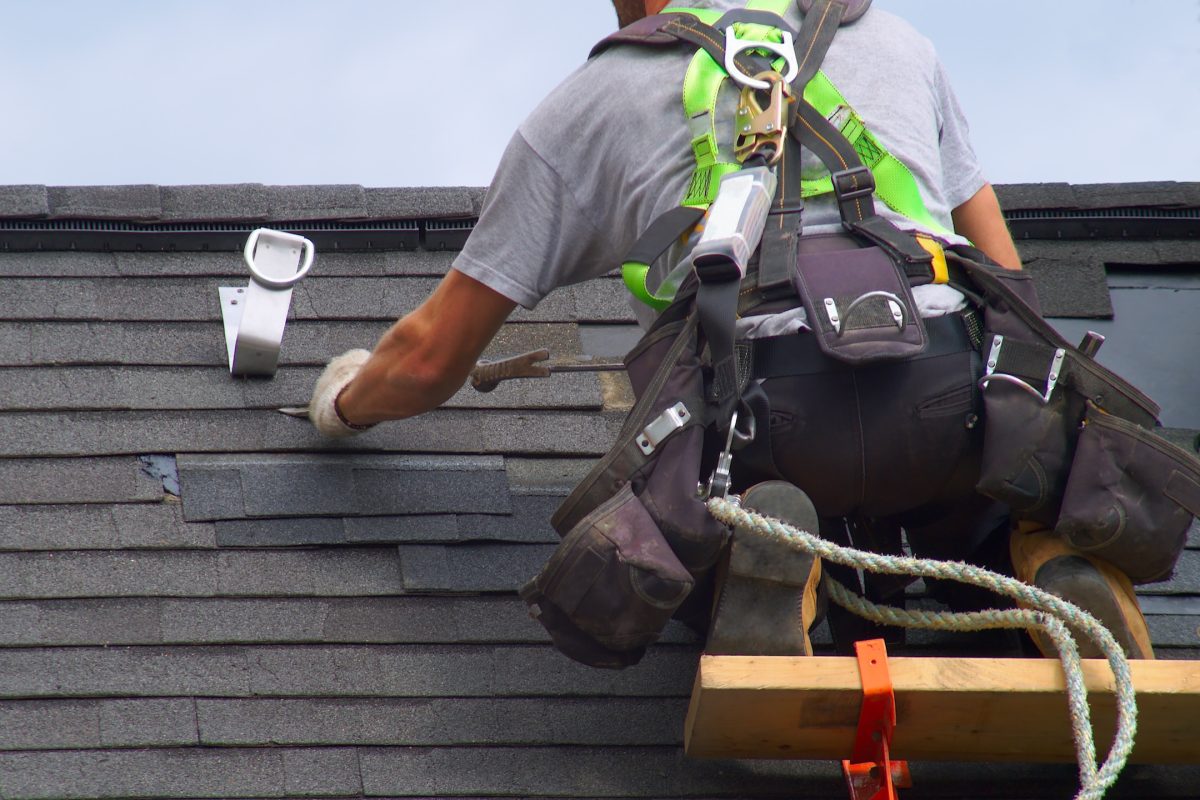
Missing or damaged shingles are the clearest visible sign that the roof’s water-shedding system has a gap. Once a shingle is gone, rain reaches the underlayment directly. The underlayment is not designed for sustained UV or moisture exposure, and it will degrade and allow water through if the shingle above it is not replaced promptly. Replacement shingles must match the existing product in profile, weight, and color to ensure proper seal strip alignment with adjacent shingles.
- Urgency: High. Address before the next rain event regardless of how small the gap appears
- Cost range: $150 to $400 for one to three shingles professionally replaced
- What to watch for: Bare dark patches on the roofline, granules at downspout bases. Flat roof systems have different vulnerability points but equally urgent repair needs when material fails.
2. Seal Lifted or Curling Shingles
Shingles that are lifting at the edges or curling upward are on their way out but have not yet failed completely. Resealing them with roofing cement buys time and prevents wind from getting beneath them and tearing them free. This is a temporary fix for shingles that are aging but still structurally intact. Shingles that are brittle, crumbling, or heavily granule-depleted should be replaced rather than resealed.
- Urgency: Moderate to high. Wind events will accelerate the failure of unsealed lifting shingles
- Cost range: Under $200 for spot sealing in accessible areas
- What to watch for: Curling edges visible from the ground; a routine roof inspection will catch lifting shingles before wind events make the decision for you
3. Repair or Reseal Flashing at Penetrations
Flashing seals the roof around chimneys, skylights, vents, and pipe boots. Flashing failures cause interior leaks frequently, and improper installation or poor installation is as damaging as degraded material, both channeling water into the roof assembly.
- Urgency: High. Flashing failures cause leaks quickly once the seal breaks down
- Cost range: $300 to $800 depending on the penetration type and extent of repair
- What to watch for: Water stains on ceilings near chimneys, skylights, or vents; visible rust or separation at metal flashing edges
4. Repair Valley Flashing
Roof valleys carry a disproportionate volume of water during rain events. The valley flashing beneath the shingle surface must remain intact to channel water into the gutters rather than the decking below. Storm damage frequently compromises valley flashing first. Cracked or improperly overlapped flashing allows water to pool and penetrate, spreading well beyond the valley before it becomes visible indoors.
- Urgency: High. Valley leaks are among the most damaging because water concentrates there
- Cost range: $400 to $1,000 depending on the valley length and material condition
- What to watch for: Interior water stains appearing along the line of a valley, moss or algae growth concentrated in the valley area
5. Address Granule Loss on Aging Shingles
When shingles shed their surface granules, the asphalt layer beneath is exposed directly to UV radiation. Without granule coverage, the asphalt dries out, becomes brittle, and cracks. This accelerates shingle failure significantly and shortens the effective lifespan of the roof. Granule loss across a small area can be temporarily addressed with roofing cement applied to bare spots, but shingles with extensive granule loss should be replaced rather than patched.
- Urgency: Moderate. Isolated granule loss is not immediately critical, but widespread loss signals accelerating deterioration
- Cost range: $150 to $400 for spot shingle replacement; more for widespread sections
- What to watch for: Sandlike material accumulating in gutters and at downspout bases, bare or discolored patches on the roof surface
6. Fix Pipe Boot and Vent Seal Failures
Rubber pipe boots seal the base of plumbing vents where they pass through the roof deck. UV exposure and temperature cycling degrade the rubber over time, cracking it and allowing water to run down the vent pipe into the roof assembly.
- Urgency: Moderate to high. A cracked boot during heavy rain will allow meaningful water intrusion
- Cost range: $150 to $300 per boot including labor
- What to watch for: Cracking at the rubber collar base; interior damage like ceiling stains below bathroom vents is often traced to failed pipe boots
7. Repair Fascia and Soffit Damage Adjacent to the Roof
Fascia and soffit boards run along the roof edge and underside of the overhang. When gutters overflow or drainage is compromised, these areas absorb moisture and begin to rot. Catching fascia damage early keeps the repair isolated to the board rather than requiring deck or rafter work behind it.
- Urgency: Moderate. Fascia rot progresses steadily but does not typically cause acute leaks immediately
- Cost range: $300 to $800 depending on the linear footage affected
- What to watch for: Peeling paint, soft or spongy texture when pressed, visible staining along the fascia line beneath gutter overflows
8. Patch or Replace Damaged Roof Decking
If water has reached the roof deck, the structural plywood or OSB beneath the shingles may be rotted or soft. Compromised decking on an existing roof cannot support new shingles regardless of proper installation above it. Replacement of the affected section is required before any surface repair holds.
- Urgency: Critical. Damaged decking must be repaired before any shingle work above it will be effective
- Cost range: $500 to $1,500 or more depending on the extent of affected area
- What to watch for: Sagging roofline visible from the ground, soft spots identified during inspection, water stains with no obvious shingle or flashing source
Repair Urgency and Cost Reference
| Repair Type | Urgency | Typical Cost Range |
| Missing shingles | High | $150 to $400 |
| Lifted or curling shingles | Moderate to high | Under $200 |
| Flashing at penetrations | High | $300 to $800 |
| Valley flashing | High | $400 to $1,000 |
| Granule loss | Moderate | $150 to $400 |
| Pipe boot replacement | Moderate to high | $150 to $300 |
| Fascia and soffit repair | Moderate | $300 to $800 |
| Damaged decking | Critical | $500 to $1,500-plus |
Common FAQs About Asphalt Roof Repair
Homeowners dealing with roof issues for the first time tend to have consistent questions before committing to a repair.
How do I know if a repair is worth doing or if I need a full replacement?
The clearest indicator is roof age. If the roof is under 15 years old and damage is isolated, repair almost always makes sense. If the roof is past 20 years and multiple issues are appearing across different sections, replacement is likely the better investment. A professional roof inspection gives you the most reliable answer, assessing not just visible damage but the full condition of shingles, decking, and underlayment. A new roof also delivers energy efficiency gains that patchwork repairs on an aging system cannot.
Can I do any of these repairs myself?
Sealing a lifted shingle or replacing one or two accessible shingles is within reach for a careful homeowner. Flashing repairs, valley work, and decking replacement are not DIY territory. Incorrect flashing installation is one of the most common causes of persistent leaks and often costs more to fix than the original problem.
Will my homeowner’s insurance cover asphalt roof repairs?
Storm-related damage from wind or hail is typically what homeowner’s insurance will pay for. Damage attributed to normal wear, aging, or deferred maintenance generally is not covered. Document damage with photos immediately after any storm, note the date, and contact your insurer before scheduling repairs.
How long does an asphalt roof repair take?
Most targeted repairs, including shingle replacement, flashing work, and pipe boot replacement, are completed in a single day or less. Larger repairs involving valley flashing or decking replacement may take two to three days depending on scope. In most cases, a repair that is scheduled promptly is completed well before the next significant rain event creates an opportunity for additional damage.

C&M Home Revival Catches Problems Before They Cost You More
The difference between a $300 repair and a $3,000 one is usually how long the problem was left alone. At C&M Home Revival, we help La Palma homeowners get ahead of roof damage with free next-day inspections, honest assessments of what actually needs attention, and written pricing before any work begins. No pressure, no manufactured urgency.
Reach out to book your free inspection and find out exactly where your roof stands before the next rain.
Recent Articles