Roof Flashing Repair: Leak Signs, Costs & When to Call a Roofer
9 Minute Read

Posted 10.21.26

Most homeowners assume a roof leak means the shingles have failed. Most of the time, they are wrong. Roof flashing repair is the correct solution for the majority of residential leaks because flashing is what seals the joints and penetrations where the roof surface is interrupted, and it fails far more often than the field of shingles around it. Catching a flashing problem early keeps the repair contained and affordable. Ignoring it converts a $300 fix into a $3,000 water damage remediation. If your roof is showing signs of a leak or is due for an inspection, our team gives Lakewood homeowners honest assessments and written estimates before any work begins. This guide covers what flashing is, how to recognize when it is failing, what repairs cost, and when a roofer is the right call.
Here is what this guide covers:
- What roof flashing is and why it fails
- The clearest signs of flashing failure and how to spot them from the ground
- The types of flashing repair and what each involves
- Real 2026 cost ranges by repair type and location
- When to DIY versus when to call a licensed roofer
What Roof Flashing Is and Why It Fails
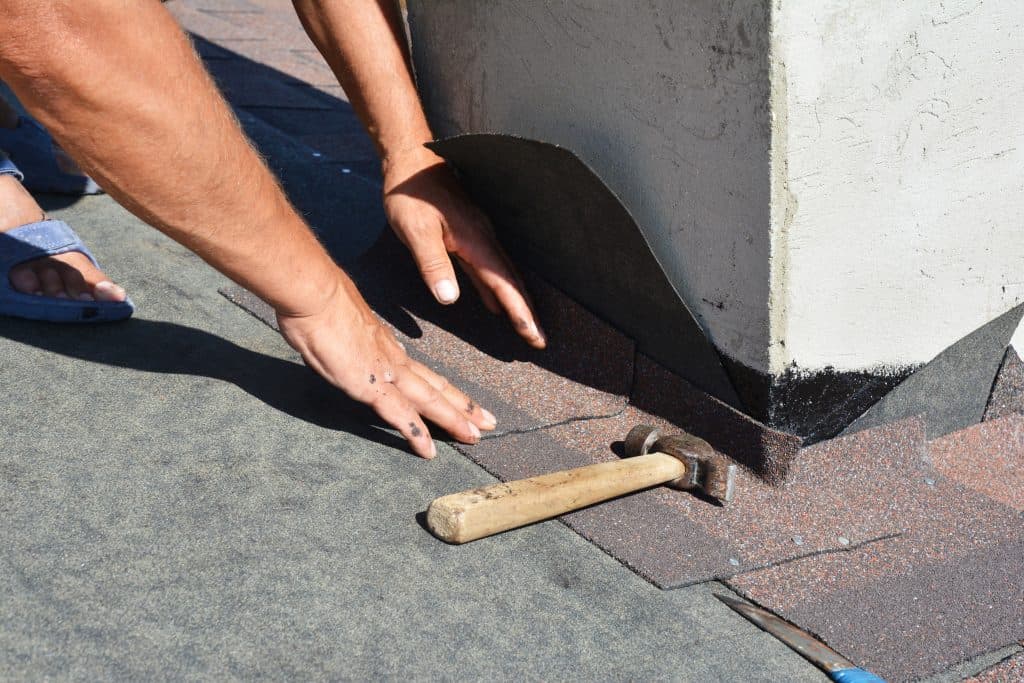
Flashing is the metal material, typically aluminum, galvanized steel, or copper, installed at every point on the roof where the flat surface is interrupted by a vertical element or a transition. Chimneys, skylights, dormers, pipe boots, roof valleys, and the joints where a roof plane meets a wall all rely on flashing to prevent water from entering the wall or decking cavity beneath the roofing surface.
According to The Roofing Brief’s 2026 residential repair cost guide, approximately 70 percent of residential roof leaks originate at penetrations, flashing details, or valleys rather than in the field of shingles, which means most leak calls that homeowners assume are shingle failures are actually flashing failures. Flashing fails for several reasons: caulk-only installations that dry out and crack over time, improper original installation that never lapped correctly, corrosion of galvanized steel, physical displacement from wind or thermal expansion, and age-related fatigue in the metal itself.
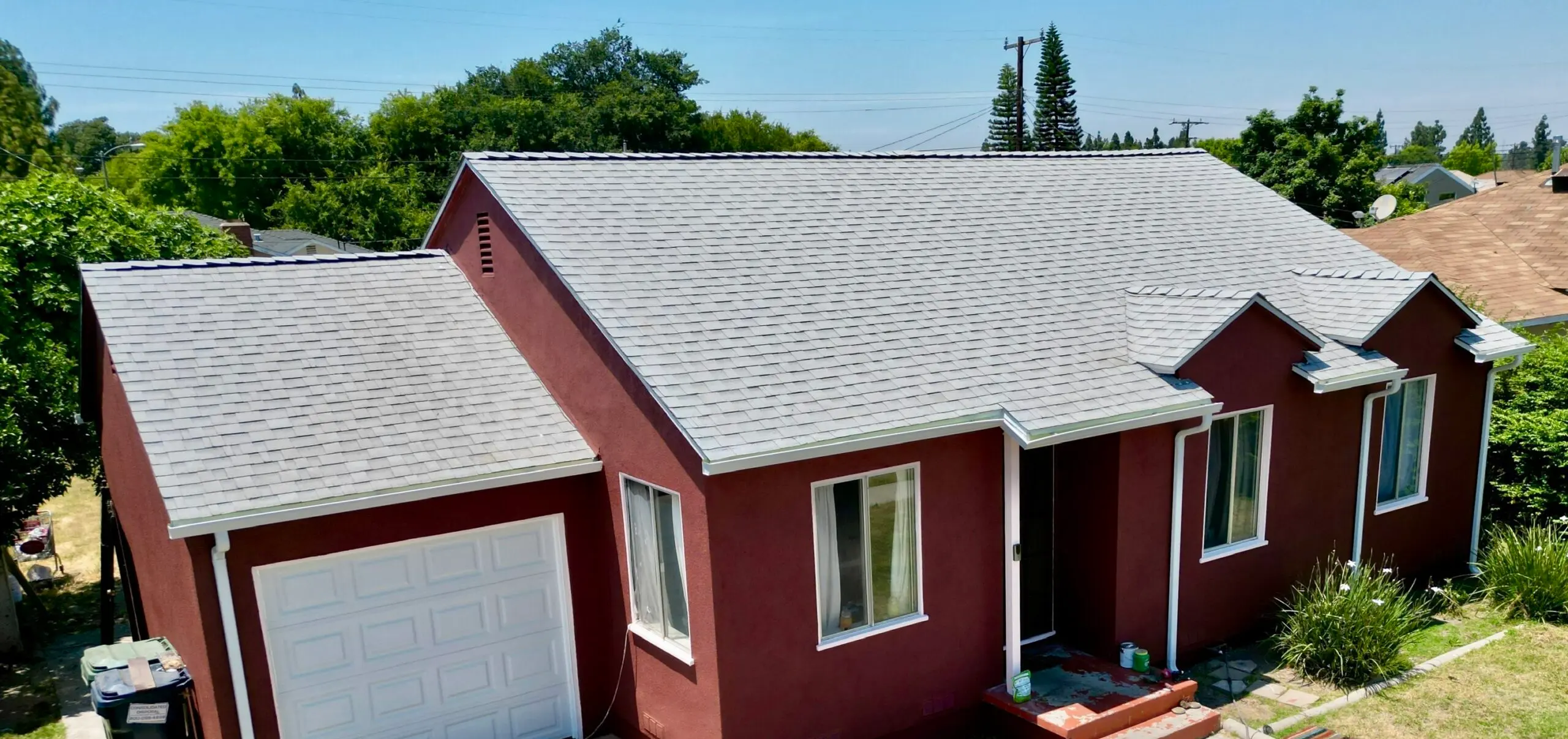
We’re proud to serve homeowners in Lakewood, CA, and surrounding communities with roofing services and more.
Signs of Roof Flashing Failure
Flashing rarely fails completely without warning. These indicators appear before the leak becomes active and are visible without roof access in most cases.
- Water stains on ceilings near penetrations: Staining that appears on the ceiling near a chimney, skylight, or exterior wall is the most direct indicator of flashing failure. The stain typically appears below the penetration rather than directly at it, because water travels along framing members before dripping.
- Rust streaks on the roof surface: Visible rust streaking on shingles or at visible metal edges near chimneys or vents indicates galvanized steel flashing that has begun to corrode through its protective coating. Rust is a warning sign even in the absence of an active interior leak.
- Visible gaps, lifted edges, or missing sections: From the ground with binoculars, lifted flashing edges, gaps at seams, or sections that have physically displaced are clearly visible and indicate immediate risk of water entry at the next rain event.
- Peeling paint or staining on interior walls near the roofline: Water that enters behind flashing often travels down the interior side of the wall assembly before it becomes visible. Peeling paint, staining, or bubbling drywall near the roofline on upper floors is a common secondary indicator of flashing failure.
- Musty odor in the attic: A persistent musty smell in the attic indicates moisture accumulation, which frequently originates from flashing failures that are small enough not to cause visible ceiling staining but large enough to wet insulation and decking over time.
- Granule accumulation with no apparent shingle damage: Heavy granule accumulation in gutters without obvious shingle deterioration can indicate that water is bypassing shingles at a flashing failure point and washing granules loose from adjacent shingles during its travel path.
9 Types of Flashing and What Repair Involves
Each location on a roof uses a specific flashing type, and the repair approach differs by type.
1. Chimney Flashing
Chimney flashing is a two-part system: step flashing along the sloped roof sides and counter-flashing embedded in the chimney’s mortar joints. Repairs range from resealing lifted counter-flashing to full replacement when the original installation is fundamentally incorrect.
2. Skylight Flashing
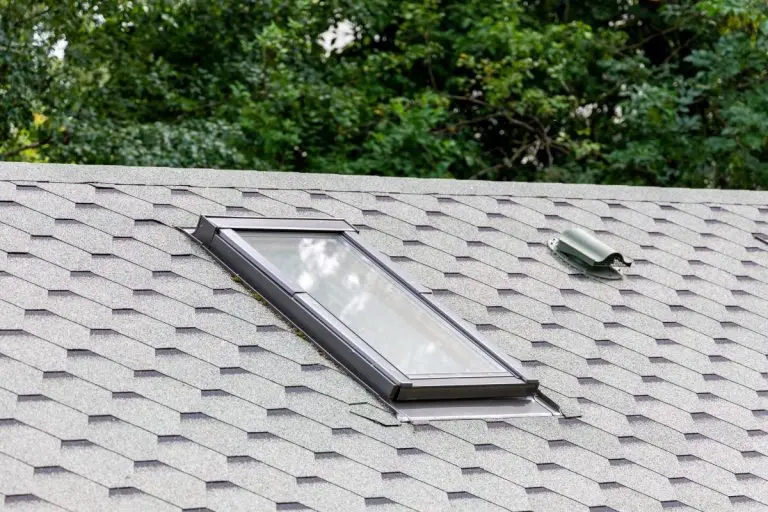
Skylight perimeter flashing seals the transition between the skylight frame and the roof surface. Failure typically occurs at corners or along the lower edge. Repairs range from resealing to full replacement when the metal has corroded or displaced.
3. Step Flashing at Walls and Dormers
Step flashing consists of L-shaped metal pieces installed under each shingle course where a roof plane meets a vertical wall. Failure typically requires removing shingles and siding to access and replace individual pieces.
4. Valley Flashing
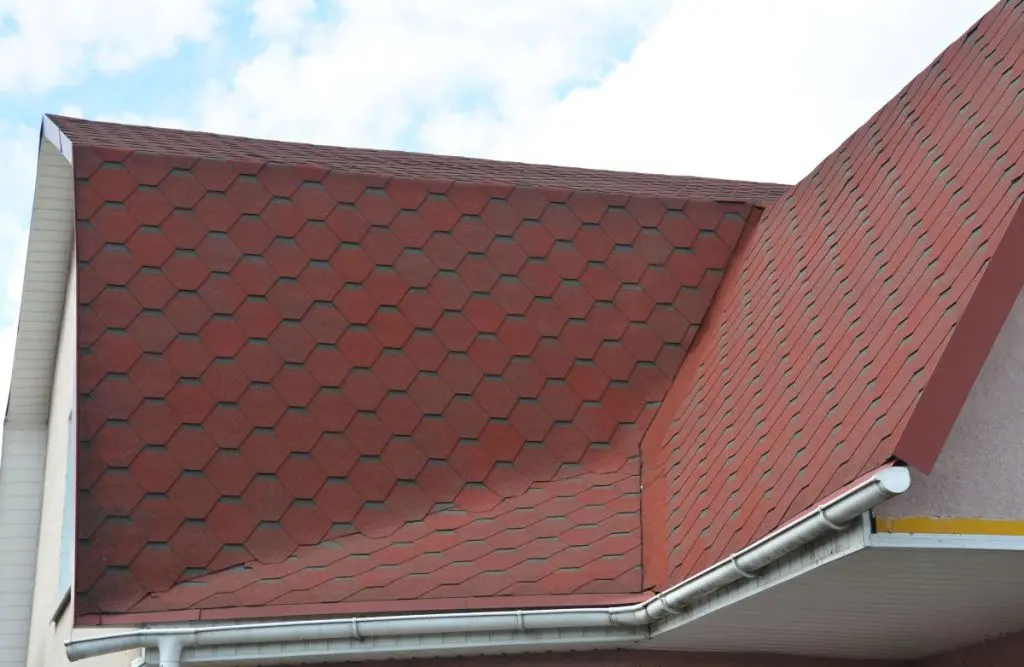
Valleys carry the highest water volume on the roof. Valley flashing repairs involve removing existing metal or shingles and reinstalling with correct material and overlap dimensions.
5. Pipe Boot Flashing
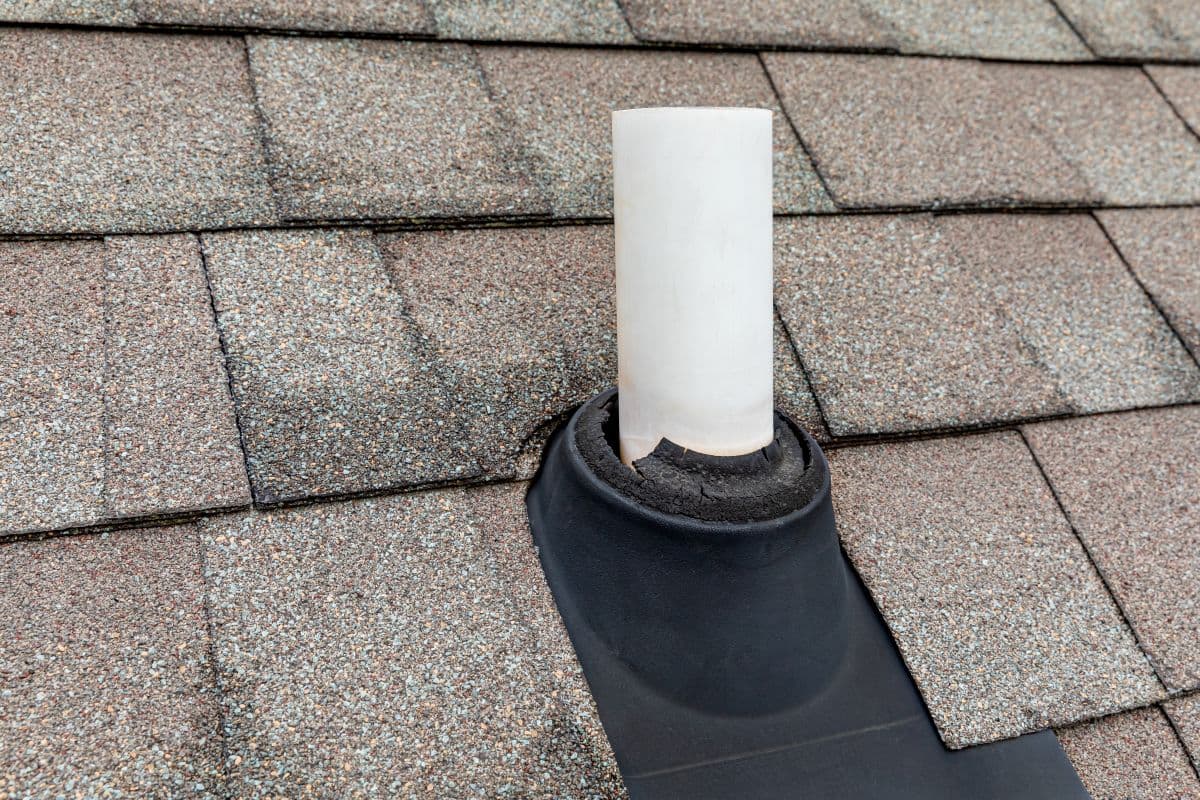
Pipe boots seal plumbing vents where they exit through the roof deck. Rubber boots are the most common failure point due to UV exposure and temperature cycling. Replacement is straightforward and typically takes under an hour.
6. Drip Edge Flashing
Drip edge directs water off the roof edge into gutters rather than behind the fascia. Missing or lifted drip edge allows water to back up under shingles. Repair involves removing the first shingle course and reinstalling correctly lapped metal.
7. Vent Flashing
Roof vents have integral flashing built into their base. Failure occurs when factory-applied sealant dries and cracks, the base flange corrodes, or the vent deteriorates and separates from the flashing.
8. Headwall and Sidewall Flashing
Headwall flashing directs water away from a wall above a roof termination. Failure is common where original installation relied on caulk rather than correct metal lapping.
9. Kickout Flashing
Kickout flashing redirects water into the gutter rather than behind wall cladding. Missing kickout is one of the most common installation errors and causes progressive wall rot that goes undetected for years.
2026 Cost Ranges for Flashing Repair
Repair costs vary by location, access difficulty, and whether water damage is found beneath the flashing once work begins.
| Repair Type | Typical Cost Range | Notes |
| Pipe boot replacement | $150 to $300 | Most straightforward repair; under an hour |
| Resealing single flashing detail | $200 to $500 | Appropriate only when metal is still sound |
| Skylight flashing repair | $300 to $800 | Corners and lower edge most common failure point |
| Chimney step and counter-flashing | $500 to $1,500 | Full replacement when original installation is compromised |
| Valley flashing replacement | $500 to $1,200 | Depends on valley length and material |
| Step flashing at wall or dormer | $400 to $1,000 | Requires shingle and siding removal |
| Kickout flashing installation | $200 to $500 | Often retroactive correction of original error |
| Water damage remediation added | $500 to $3,000-plus | When decking or framing rot is found beneath |
Southern California labor rates add approximately 15 to 25 percent to these national ranges for most flashing repair types.
When to DIY and When to Call a Roofer
Minor resealing of a slightly lifted flashing edge with roofing-grade sealant is within the capability of a careful homeowner on a low-slope, safely accessible roof. Every other scenario on this list calls for a licensed roofer. The reasons are practical rather than precautionary.
Flashing works through correct lapping geometry, not sealant. A repair that relies primarily on caulk rather than correct metal integration will leak again within one to two seasons regardless of how carefully it was applied. A roofer who understands the lapping principle, has the correct metal materials, and can identify whether adjacent shingles and decking have sustained water damage produces a repair that holds. One that does not understand the principle produces a repair that provides temporary visual satisfaction and a repeat service call.
Call a roofer immediately rather than waiting when: the leak is active during rain, the staining on the ceiling is new or growing, the flashing is on a steep or second-story section of roof, the chimney or skylight flashing shows significant displacement, or any sign of decking softness is present.
Common FAQs About Roof Flashing Repair
These are the questions Lakewood homeowners most commonly ask when dealing with a suspected flashing failure. The answers apply to Southern California roof types and conditions.
How do I know if my leak is flashing or shingles?
Location is the primary indicator. If the leak or ceiling stain is near a chimney, skylight, dormer, vent, or exterior wall, flashing is the likely source. If the stain is in the middle of a room with no nearby penetration, shingle or valley failure is more plausible. A professional inspection from inside the attic during or after rain is the most reliable diagnostic approach.
Can flashing be repaired without replacing it?
Yes, when the metal is structurally sound and the failure is limited to a seal or minor displacement. Resealing with roofing-grade polyurethane or silicone sealant is appropriate for early-stage failures where the metal lapping is still correct. When the metal is corroded, significantly displaced, or was improperly installed originally, replacement produces a more reliable result than repair.
How long does flashing last?
Aluminum and galvanized steel flashing typically lasts 20 to 30 years under normal conditions. Copper flashing lasts 50 to 100 years and is the premium choice for longevity. Rubber pipe boots are the shortest-lived flashing component at 10 to 20 years in Southern California’s UV environment. Flashing should be evaluated and replaced at every full roof replacement rather than left in place beneath new shingles.
Does homeowner’s insurance cover flashing repair?
Storm-related flashing damage from wind, hail, or falling debris is typically covered. Flashing failure due to age, deferred maintenance, or improper original installation is generally not. Document any damage with photos immediately after a storm event and contact your insurer before scheduling repairs.
C&M Home Revival Fixes Flashing the Right Way
A flashing repair that relies on caulk alone will come back. At C&M Home Revival, every flashing repair integrates new metal correctly into the roof system rather than patching over the symptom. Lakewood homeowners get written estimates before work begins, next-day free inspections, and a project manager on every job.
Get your free roof inspection scheduled and find out exactly where the water is coming from.
Recent Articles