How Much Does a Roof Replacement Really Cost? (2027 Pricing Guide)
9 Minute Read

Posted 10.16.26

The number homeowners most often get wrong about the cost to replace a roof is the one they find online. Whether you are researching new roof cost after storm damage or planning ahead, the actual cost of a roof replacement depends on factors most calculators do not account for. National averages exist, and they are useful context, but they are not what a Huntington Beach homeowner will actually pay. Roof replacement cost in Southern California reflects regional labor rates, the specific materials the project requires, the pitch and complexity of the roof, and the condition of what is found underneath the old shingles. Getting accurate numbers before you need them makes the entire process less stressful and prevents the sticker shock that catches homeowners off guard when estimates come in. If you are ready for an honest, on-site assessment, our roofing services deliver written estimates before any commitment is required. This guide gives you the real pricing framework for 2027.
Here is what this guide covers:
- National average costs and how Southern California compares
- The four main variables that determine your specific project cost
- Per-material and per square foot cost ranges for the most common roofing systems
- What the contractor’s estimate should include and what to watch for
- When a repair makes sense versus when replacement is the right call
What Roof Replacement Actually Costs in 2026 and 2027
National cost data gives a useful starting point for average roof replacement cost. According to the Remodeling Cost vs. Value Report as referenced by Bill Ragan Roofing’s 2026 analysis, the average cost for a new architectural asphalt shingle roof is $31,871 nationally in 2026, though most homeowners pay between $10,000 and $30,000 depending on home size, material, and labor rates.
We’re proud to serve homeowners in Huntington Beach, CA, and surrounding communities with roofing services and more.
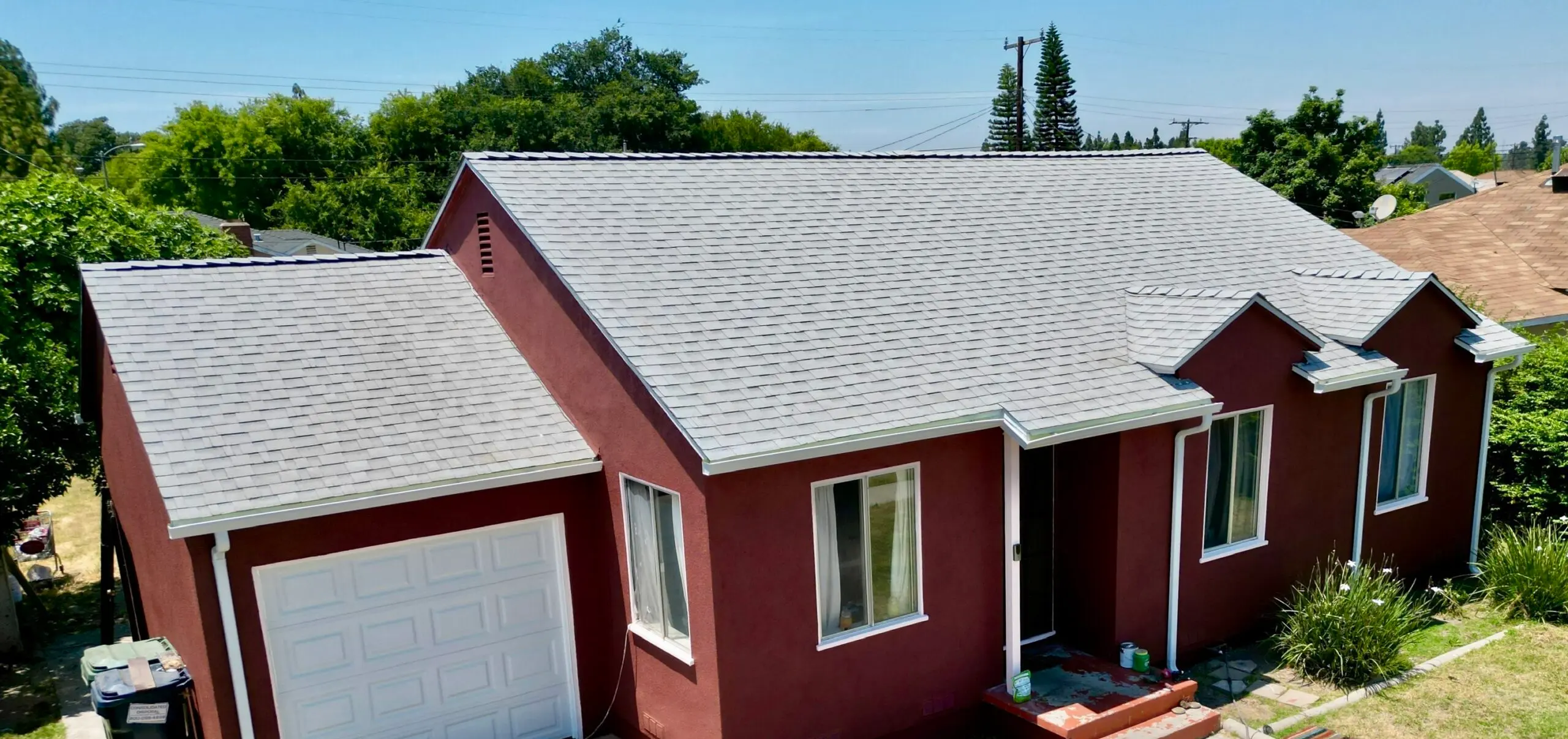
In Southern California, where labor rates run consistently above the national average, Huntington Beach homeowners should expect roofing costs at the upper end of national ranges as a baseline. A standard 2,000 square foot home with a moderate pitch and architectural asphalt shingles typically lands between $14,000 and $24,000 fully installed in 2027. The variables below determine where your specific project falls within and around that range.
4 Variables That Determine Your Roof Replacement Cost
Every roof replacement project is shaped by the same core variables. Understanding each one before meeting with roofing contractors makes roof cost and labor costs easier to compare.
1. Roofing Material
Material is the single largest cost variable in any roof replacement project. The material you choose determines not just the upfront cost but the service life, the warranty coverage, the maintenance requirements, and how the roof performs against the specific conditions your home faces.
- Architectural asphalt shingles: $4 to $8 per square foot installed; 30-year to lifetime warranty; best overall value for most Southern California homes
- Three-tab asphalt shingles: $3 to $5 per square foot installed; lower cost but shorter lifespan and less wind resistance; increasingly rare on new installations as architectural shingles close the price gap
- Metal roofing (standing seam): $10 to $20 per square foot installed; 40 to 70-year lifespan; excellent performance in high-wind and fire-risk zones; higher upfront cost offset by significantly longer service life
- Concrete tile: $10 to $18 per square foot installed; extremely durable in Southern California’s climate; heavy, requiring structural confirmation before installation; common in Spanish and Mediterranean-style homes
- Clay or terracotta tile: $15 to $30 per square foot installed; longest lifespan at 50 to 100-plus years; heaviest option requiring structural support; suited to Mediterranean and Spanish Colonial architecture
- Synthetic slate: $12 to $22 per square foot installed; replicates natural slate at a fraction of the weight; Class 4 impact resistance; 40 to 50-year lifespan
2. Roof Size and Complexity
Roofing cost is calculated in squares, where one roofing square equals 100 square feet of actual roof surface area. The actual roof surface area is larger than a home’s footprint because it accounts for pitch angle. A 2,000 square foot home with a 6:12 pitch has more actual roof surface than the same home with a 4:12 pitch, which is why pitch matters beyond just the labor difficulty of working on a steeper slope.
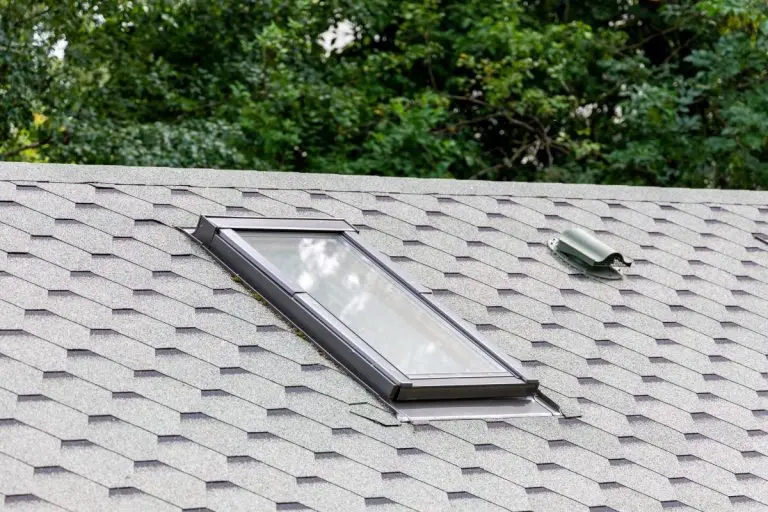
Roof complexity affects labor cost significantly. A simple gable roof with two planes is the least expensive configuration. The roof structure beneath also factors in on older homes that may need framing evaluation. A hip roof with four planes, multiple valleys, dormers, skylights, and pipe penetrations adds labor time at each transition point. Valleys and penetrations are also the areas most likely to reveal additional issues during tear-off that add cost.
- Simple gable roof (2 planes): Lowest labor cost; straightforward installation with minimal transitions
- Hip roof (4 planes): Moderate additional labor; more complex flashing requirements at ridges and hips
- Roof with dormers, skylights, or complex valleys: Each penetration and transition adds labor time; plan for 10 to 20 percent higher labor cost versus a simple roof of the same square footage
- Steep pitch (above 7:12): Adds $1 to $3 per square foot for safety equipment and slower installation pace
3. Tear-Off and Disposal
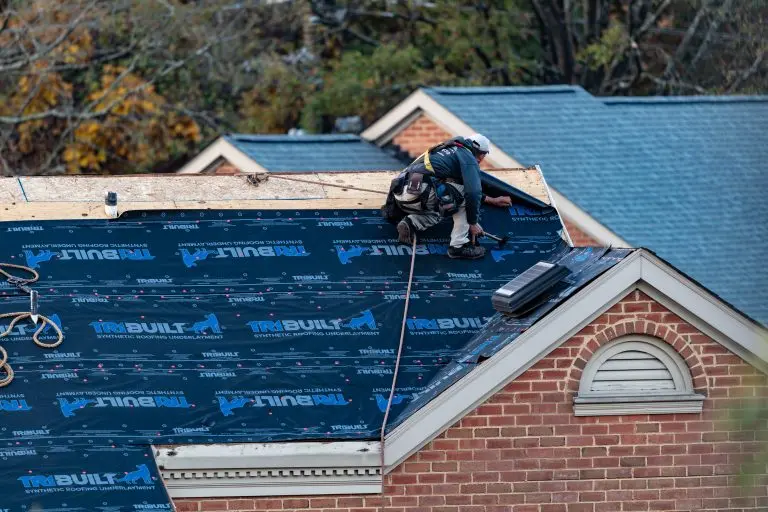
California building codes generally limit residential roofs to two layers of roofing material. If the existing roofing material is a single layer, some contractors offer layover installation where new material goes over the old, which saves tear-off cost but is not recommended practice and does not reset the roof deck inspection. Full tear-off is the correct approach for any replacement.
- Single-layer tear-off: $1 to $2 per square foot; the standard for most replacement projects
- Two-layer tear-off: $1.50 to $3 per square foot; more labor and disposal volume
- Disposal fees: Dumpster rental and debris hauling typically add $300 to $600 to the project cost; confirm this is included in your estimate
4. Roof Deck and Structural Condition
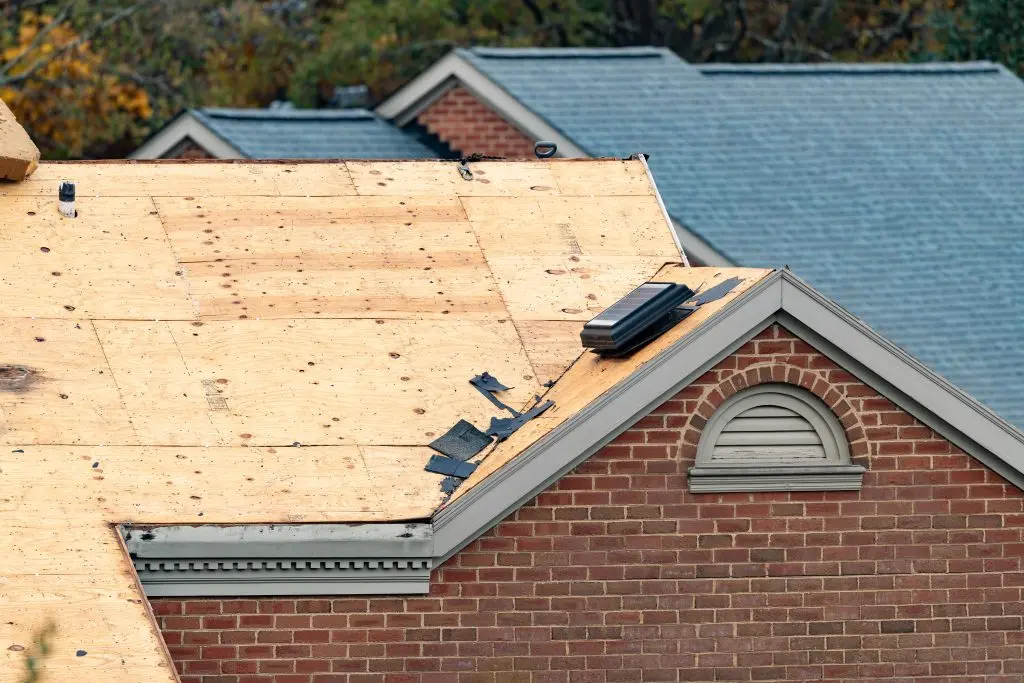
The condition of the roof deck is not visible until the old material is removed. Rotted, soft, or damaged decking must be repaired before new material goes in, and poor attic ventilation is frequently what caused it, making ventilation worth addressing at the same time. Deck issues are the most common cost overrun. Setting aside a 10 to 15 percent contingency before work begins is the most reliable way to absorb these discoveries without disrupting the project.
- Clean deck in good condition: No additional cost
- Spot deck repair: $75 to $200 per sheet of plywood or OSB replaced
- Extensive deck damage: $1,000 to $4,000 for widespread rot or structural damage requiring significant decking replacement
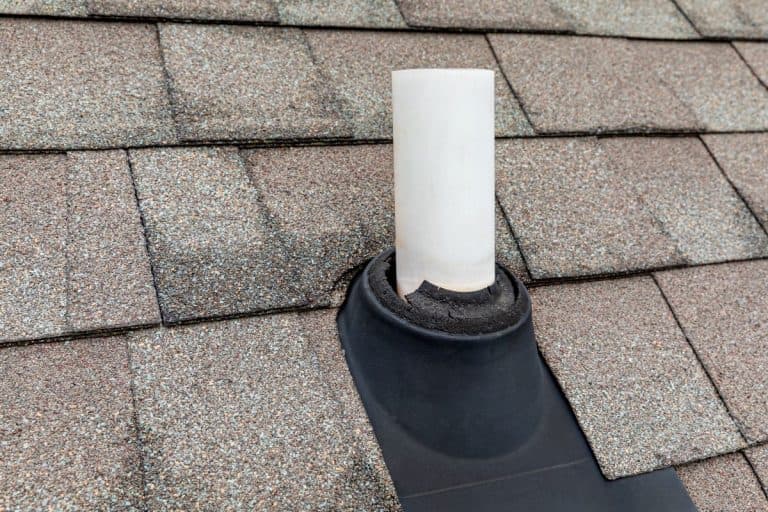
- Flashing replacement: Replacing old or corroded flashing at chimneys, vents, and valleys adds $500 to $1,500 depending on the number and condition of penetrations
Cost Comparison by Roof Size and Material
These ranges reflect fully installed 2027 Southern California pricing including tear-off, underlayment, flashing, and standard installation. Complex roofs or significant deck damage add cost beyond these figures.
| Home Size | Arch. Asphalt | Metal Roofing | Concrete Tile |
| 1,500 sq ft home | $9,000 to $15,000 | $20,000 to $35,000 | $22,000 to $38,000 |
| 2,000 sq ft home | $14,000 to $22,000 | $28,000 to $50,000 | $30,000 to $52,000 |
| 2,500 sq ft home | $18,000 to $28,000 | $35,000 to $65,000 | $40,000 to $68,000 |
What a Complete Roofing Estimate Should Include
A roof replacement estimate is not a single number. It is a written document itemizing every cost category, from roof size to material to disposal. Before accepting any estimate, confirm it includes all of the following.
- Specific material: Brand, product line, color, and roof warranty tier for the shingles or tiles being installed; a vague material reference allows substitution after signing
- Underlayment: Synthetic underlayment is the 2027 standard; felt paper is an acceptable budget alternative but carries a shorter service life
- Starter strips and ridge cap: These are separate line items from the field shingles; their absence from an estimate means they are either being skipped or substituted with cut shingles
- Flashing replacement or reuse: New flashing at all penetrations and valleys is recommended on any full replacement; an estimate that specifies reusing old flashing is cutting a corner
- Tear-off and disposal: Confirm this is included; some budget estimates exclude disposal to appear competitive
- Permit: Required for most roof replacement projects in California; the contractor pulls it; its absence from the estimate should prompt a direct question
Common FAQs About Roof Replacement Cost
These are the questions homeowners most commonly ask when budgeting a roof replacement project. The answers reflect Southern California conditions and 2027 pricing.
Should I repair or replace my roof?
If a roof leak is isolated and the roof is under 15 years old, repair is almost always the more cost-effective choice. If the roof is approaching 20 years, if shingles are failing across multiple sections, or if a repair reveals soft decking beneath the surface, a new roof is likely the smarter long-term investment. A free inspection from a licensed contractor gives you the condition assessment needed to make that call accurately rather than guessing.
Will homeowner’s insurance cover my roof replacement?
Storm damage from wind or hail is typically covered under standard homeowner policies. Replacement due to age, wear, or deferred maintenance is generally not. Document damage with photos immediately after any storm event, note the date, and contact your insurer before scheduling any work. Your contractor can provide an inspection report that supports the claim if the damage was weather-related.
How long does roof replacement take?
Most standard residential roof replacements in the 1,500 to 2,500 square foot range are completed in one to two days by a professional crew. Larger roofs, complex configurations, or projects requiring significant deck repair may take two to three days. In most cases, the project is completed within the week it starts.
How do I avoid going over budget?
Set a firm budget ceiling before getting estimates. Include a 10 to 15 percent contingency from the start to absorb deck issues found during tear-off. Get three itemized roofing estimates covering the same scope before choosing a contractor. And confirm that the contractor is licensed, insured, and manufacturer-certified before any work begins.
C&M Home Revival Gives You the Full Picture Before You Commit
At C&M Home Revival, we offer free next-day inspections for Huntington Beach homeowners, deliver written itemized estimates covering every cost category, and complete every project with a dedicated project manager. Owens Corning Preferred Contractor. Licensed and insured. Thirty-year written warranty.
Book your free roof inspection now and get the full pricing picture before any work begins.
Recent Articles