Composite Roof Tiles (7 Modern Alternatives 2026)
9 Minute Read

Posted 9.24.26

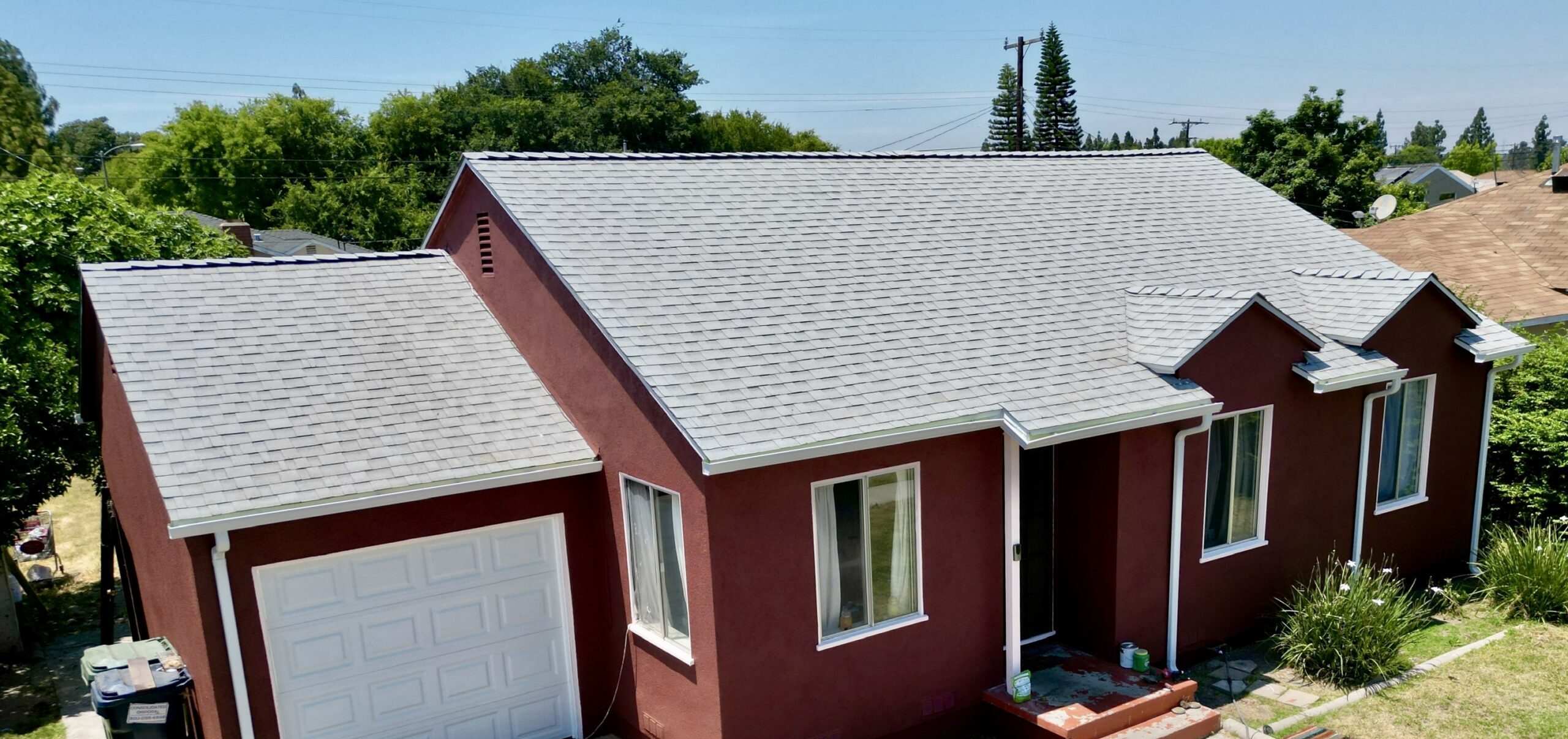
The roofing industry has shifted meaningfully over the past decade, with composite materials closing the gap on natural products in both appearance and performance. Composite roof tiles are engineered from blends of recycled plastics, polymers, rubber, and mineral fillers, producing tiles that replicate the look of slate, cedar shake, clay, and other premium materials at a fraction of the weight and long-term maintenance cost. If you are evaluating a tile roof replacement and want to understand which products are worth considering, seeing how a full tile installation comes together is a useful first step. This guide gives Cypress homeowners a structured look at seven composite roofing alternatives worth knowing in 2026.
Here is what this guide covers:
- What composite roof tiles are and how they differ from natural materials
- The seven most relevant composite tile types for residential use in 2026
- Key performance ratings and what they mean in practice
- A side-by-side comparison of composite alternatives
- What to look for when evaluating composite products
Why Composite Roof Tiles Have Gained Ground in 2026
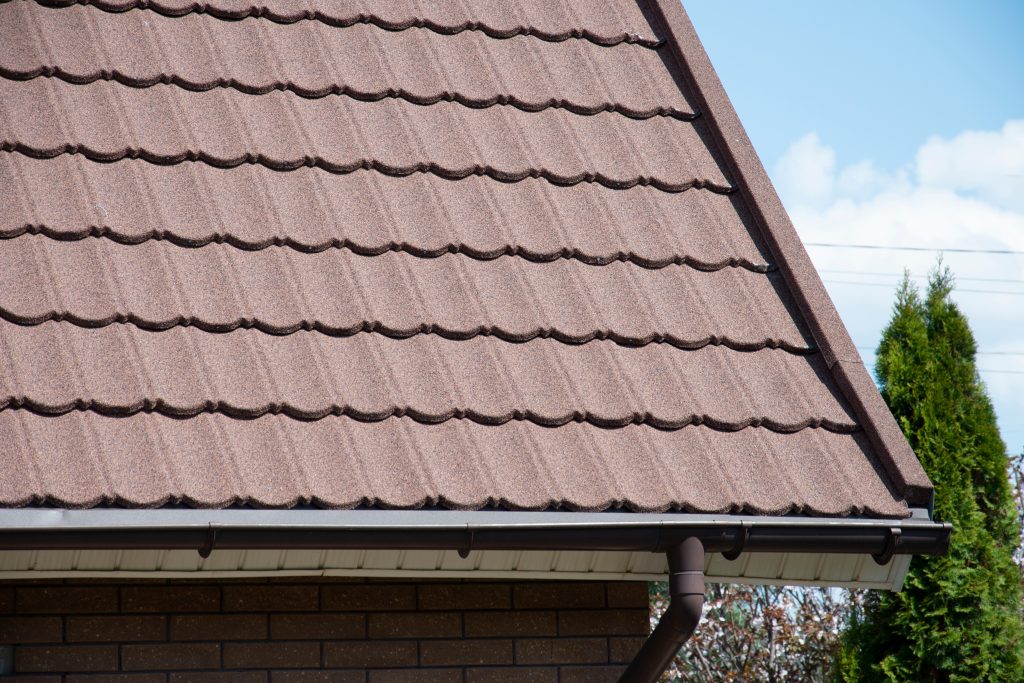
The case for composite roof tiles comes down to a practical set of advantages that natural materials cannot fully match. According to residential roofing research, composite slate tiles weigh approximately 100 to 250 pounds per roofing square compared to 800 pounds for natural slate, which eliminates the need for structural reinforcement in most retrofit applications. That weight advantage, combined with a 40 to 50-year service life and Class 4 impact ratings on many products, makes composite tiles a compelling alternative to concrete tiles, natural clay, and quarried stone for homeowners who want premium aesthetics without the structural and maintenance demands.
We’re proud to serve homeowners in Cypress, CA, and surrounding communities with roofing services and more.
Molds cast from actual quarried slate, hand-split cedar, and kiln-fired clay now produce composite tiles with texture, color variation, and shadow line depth that are difficult to distinguish from real materials at ground level.
7 Composite Roof Tile Alternatives for 2026
These seven types cover the full range of composite alternatives currently available, from the most widely adopted to the more specialized.
1. Polymer Composite Slate
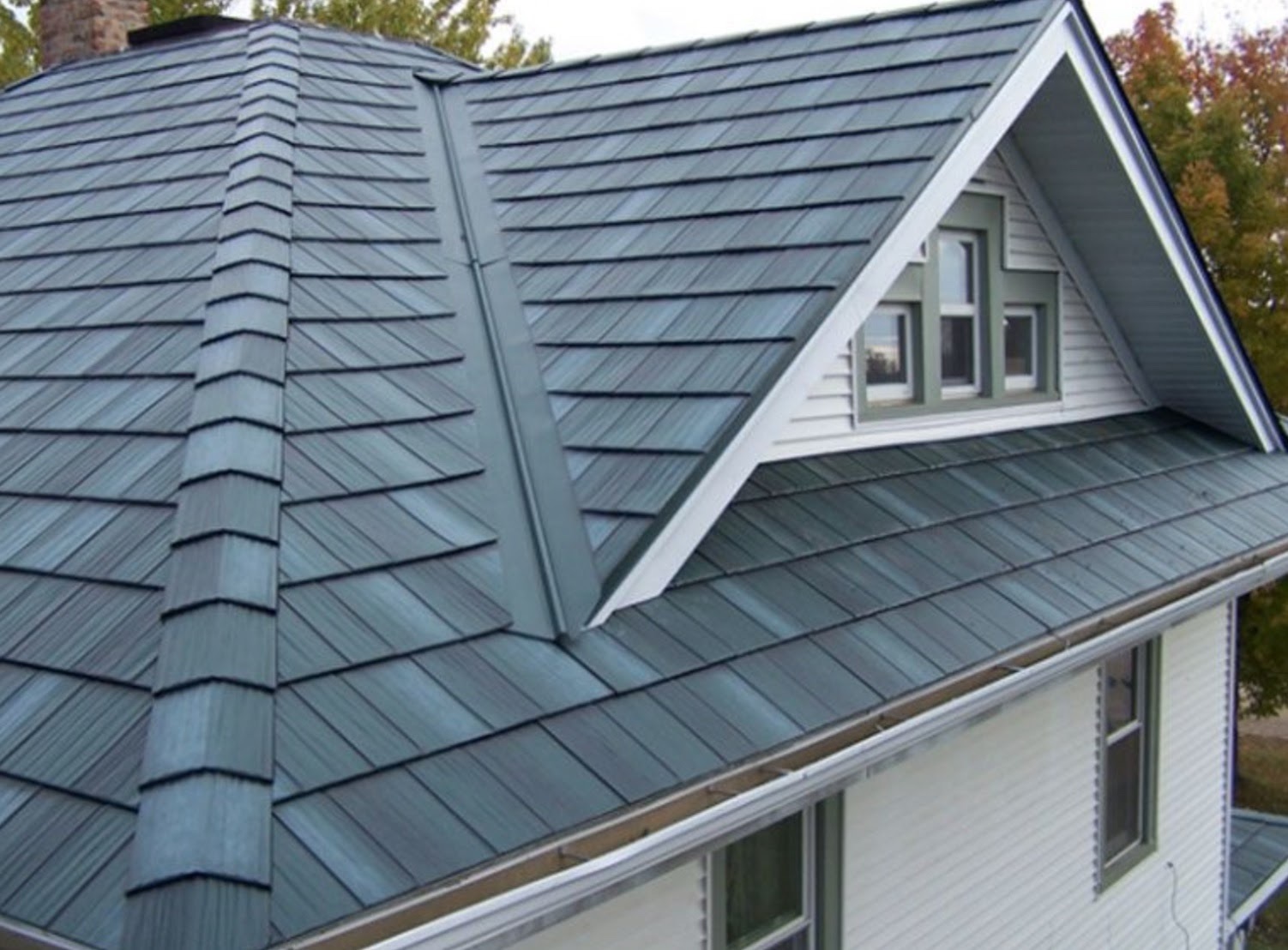
Polymer composite slate is the most widely installed composite tile category in residential roofing. Tiles are molded from polymer resins, including high density polyethylene and other reinforced mineral fillers, replicating the chiseled texture and varied tone of quarried slate. Most carry Class A fire ratings and Class 4 impact ratings.
- Weight: 100 to 250 lbs per square, compatible with standard residential framing
- Warranty: Typically 50-year limited, with some brands offering lifetime coverage
- Best for: Homeowners who want natural slate aesthetics without structural modification costs
2. Recycled Rubber Composite Tile
Recycled rubber composite tiles from manufacturers like EcoStar and Euroshield use post-industrial rubber and plastic content exceeding 80 percent recycled material. The rubber base makes them impact-resistant, flexible in cold temperatures, and resilient through freeze-thaw cycles.
- Weight: Lightweight, compatible with most standard roof structures
- Warranty: 50-year to lifetime depending on the brand
- Best for: Homeowners who prioritize sustainability and impact resilience
3. Fiberglass-Reinforced Composite
Fiberglass-reinforced composite tiles use a cement-based or polymer matrix reinforced with glass fiber strands. The result is a tile with excellent dimensional stability, strong wind resistance, and a realistic surface texture. These tiles perform well in coastal environments where salt air exposure is a concern, and their color stability under UV exposure is generally strong due to the mineral-based pigmentation used in most formulations.
- Weight: Lighter than concrete or clay, heavier than pure polymer options
- Warranty: Typically 30 to 50 years
- Best for: Coastal applications and climates with sustained UV exposure
4. Composite Cedar Shake
Composite cedar shake tiles replicate the hand-split texture and grain variation of real cedar without the fire risk, rot vulnerability, or periodic treatment requirements of natural wood. Products like Brava Cedar Shake are cast from actual cedar samples, capturing the organic surface quality that makes real shake distinctive. The composite composition delivers Class A fire resistance versus the Class C rating that untreated cedar typically carries.
- Weight: Significantly lighter than natural materials, no structural reinforcement needed
- Warranty: 50-year limited on premium products
- Best for: Homes with cedar shake aesthetics where fire resistance is a priority
5. Composite Spanish Barrel Tile
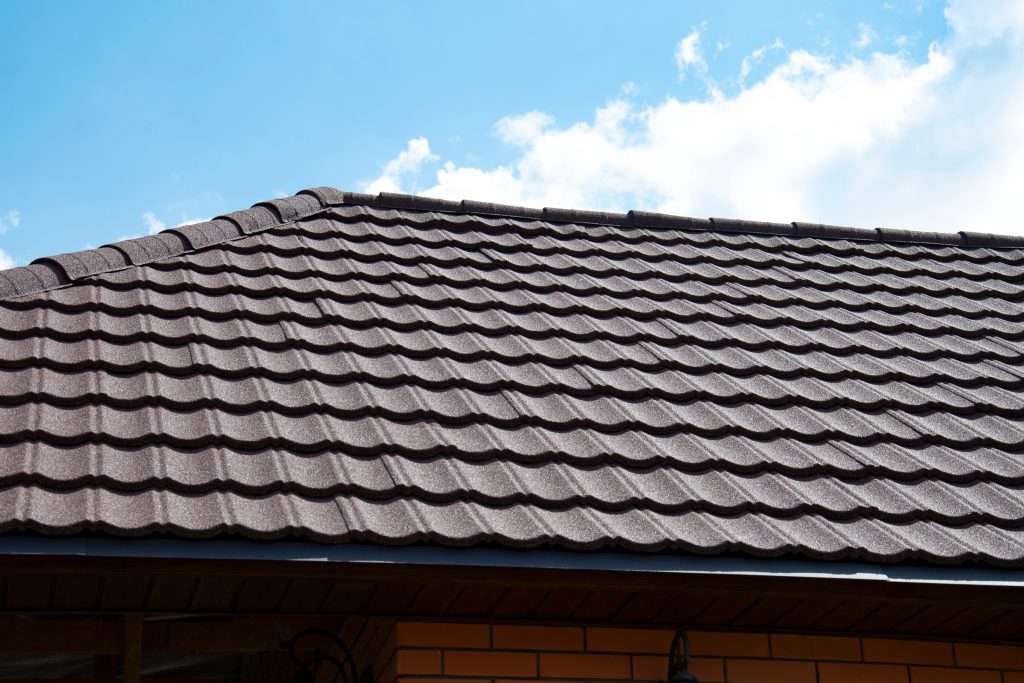
Composite Spanish barrel tiles replicate the curved Mediterranean profile of traditional clay barrel tile at a fraction of the weight, delivering the same warmth without the fragility that traditional clay installations are known for. Clay barrel tile typically runs 900 to 1,200 pounds per square and is brittle enough to crack under foot traffic. Composite versions come in at roughly 280 pounds per square with Class 4 impact resistance, making them structurally accessible for most existing homes in Southern California without engineering review.
- Weight: Approximately 280 lbs per square versus 900 to 1,200 lbs for clay barrel tile
- Warranty: 50-year limited on leading products
- Best for: Spanish Colonial, Mediterranean, and Mission-style homes in warm climates
6. Glass Fiber Reinforced Concrete (GFRC) Tile
GFRC tiles use a cement matrix reinforced with alkali-resistant glass fibers, producing a tile that is lighter than standard concrete while delivering excellent impact resistance and a realistic stone appearance. GFRC is heavier than polymer composites but lighter than traditional concrete, and its cement composition gives it a surface texture that reads as more authentically stone-like than pure polymer products at close range.
- Weight: Lighter than standard concrete, heavier than polymer alternatives
- Warranty: Varies by manufacturer, typically 30 to 40 years
- Best for: Homeowners who want a cement-based material with reduced weight
7. Composite Flat Tile
Composite flat tiles bring the clean, low-profile aesthetic of traditional flat stone or slate to modern and contemporary homes. Where barrel and shake profiles are associated with traditional architecture, flat composite tiles suit homes with strong geometric lines and minimal ornamentation. They are available in a range of surface textures from smooth to slightly textured, and their low profile makes them a practical option for shallower roof pitches that curved tile profiles may not suit.
- Weight: Lightweight polymer composition, compatible with most residential structures
- Warranty: 30 to 50 years depending on product
- Best for: Contemporary, transitional, and minimalist architectural styles
Composite Tile Comparison at a Glance
| Tile Type | Weight | Impact Rating | Fire Rating | Warranty Range |
| Polymer composite slate | 100 to 250 lbs/sq | Class 4 | Class A | 50-year to lifetime |
| Recycled rubber composite | Lightweight | Class 4 | Class A | 50-year to lifetime |
| Fiberglass-reinforced | Moderate | Class 4 | Class A | 30 to 50 years |
| Composite cedar shake | Lightweight | Class 4 | Class A | 50-year |
| Composite barrel tile | ~280 lbs/sq | Class 4 | Class A | 50-year |
| GFRC tile | Moderate | Class 4 | Class A | 30 to 40 years |
| Composite flat tile | Lightweight | Class 3 to 4 | Class A | 30 to 50 years |
What to Look for When Evaluating Composite Tiles
Several factors separate a quality composite tile from one that will underperform. Knowing what to assess before selecting a product helps homeowners avoid costly mistakes.
- Impact rating: Class 4 is the highest available and is the standard worth requiring in Southern California where hail and debris events occur. Class 3 products are acceptable but carry more risk in high-wind or impact-prone conditions.
- Color-through vs. surface color: Tiles with color running through the full thickness retain their appearance as they weather, while surface-only coloring can show wear. Ask specifically which approach the product uses.
- Mold source: Products cast from actual natural materials produce a realistic appearance that those designed without reference samples simply cannot match. This is the detail that separates convincing replication from an obviously synthetic look.
- UV stabilizer technology: In Cypress and throughout Southern California, UV intensity is significant year-round. Confirm the specific UV stabilizer system used in any product you consider, and look for documented color retention data from the manufacturer.
- Installer experience: Composite tiles require correct underlayment, fastener patterns, ridge closures, and spacing to maintain warranty validity. The installation quality matters as much as the product quality.

Common FAQs About Composite Roof Tiles
These are the questions homeowners most commonly have when considering composite tiles for the first time.
How do composite tiles compare to asphalt shingles?
Composite tiles typically last 40 to 50 years versus 20 to 30 years for asphalt, carry Class 4 impact ratings versus Class 3 for most asphalt products, and deliver a significantly more premium appearance. The trade-off is upfront cost, as composite tiles run considerably more per square foot installed than architectural asphalt shingles. For homeowners planning to stay long-term, composite tiles often cover the equivalent of two roofs worth of asphalt lifespan in a single installation, which is where the value case becomes clear.
Do composite tiles require any special structural preparation?
In most cases, no. One of the primary practical advantages of composite tiles over natural slate and clay is their weight compatibility with standard residential framing. That said, any roof replacement should include a professional assessment of the existing deck condition before installation begins. If one tile profile is significantly heavier than another you are considering, that distinction matters during the structural evaluation.
How much maintenance do composite tiles require?
Composite tiles are one of the lowest-maintenance roofing options available. They do not rot, split, require sealing, or attract insects. Routine care involves annual inspections, clearing debris from valleys and gutters, and addressing any individual tiles that are damaged after severe weather events. Most composite products are designed to go decades without requiring anything beyond basic inspections.
Are composite tiles a good fit for Southern California homes?
Yes. The combination of Class A fire resistance, Class 4 impact ratings, and UV stabilization technology makes composite tiles particularly well-suited to Southern California’s conditions. Wildfire risk, occasional hail and debris, and sustained high UV exposure are all addressed directly by what composite products are engineered to handle. Their weight compatibility with most existing residential structures is also relevant in areas like Cypress where many homes were not originally built for heavy tile.
C&M Home Revival Installs Composite Tiles Correctly
A composite tile roof is only as good as the installation behind it. At C&M Home Revival, we help Cypress homeowners identify the right product for their home and install it to manufacturer specifications, keeping warranties intact and performance consistent for decades. Written pricing before any work begins, next-day free inspections, and a project manager on every job.
Schedule your free roof inspection today and find out which composite tile option makes the most sense for your home.
Recent Articles